
 info@ebu-uenf.org

Inland waterways are a backbone of Europe’s economy, supporting key industries, cross-border trade and climate-friendly transport. However, decades of underinvestment, combined with growing climate pressures, are putting the reliability of the waterway network at risk.
Through this campaign, the inland waterway and ports sector highlights the urgent need for long-term, predictable European Union funding to modernise infrastructure, eliminate bottlenecks and strengthen climate resilience. A well-functioning, interconnected waterway network is essential to ensure Europe’s industrial competitiveness, energy transition and territorial cohesion.
Below, we present the main challenges and investment needs across Europe’s key inland waterway corridors.

The Danube and Elbe connect Europe’s industrial heartlands and global markets. Reliable fairways, modern ports and sustained cross-border investment are crucial for resilience, solidarity and competitiveness.
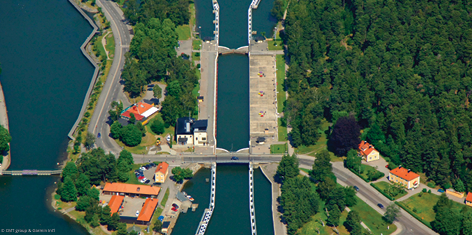
The Baltic Sea region is home to historic inland waterway networks in Finland, Lithuania, Poland and Sweden, which were important for regional and international trade. Restoring them will enable green trade routes.
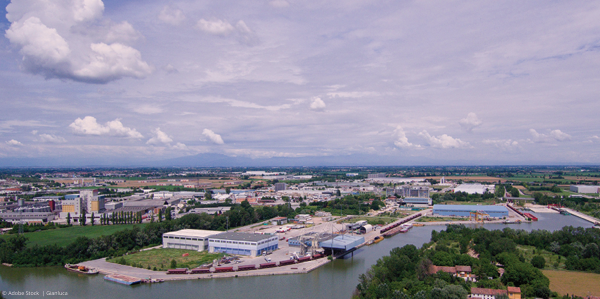
Northern Italy’s Po river system is a strategic junction of Europe’s transport network. Modernising waterways and ports will reduce congestion, cut emissions and boost regional resilience.

This corridor, home to the Seine-Scheldt project and the most dense waterway network, serves a key economic region. Only when all bottlenecks are solved, the full network effect over water can be achieved.

By investing in the canal network, current capacity constraints can be alleviated, facilitating cross-border trade and supporting the development of innovative industrial clusters.
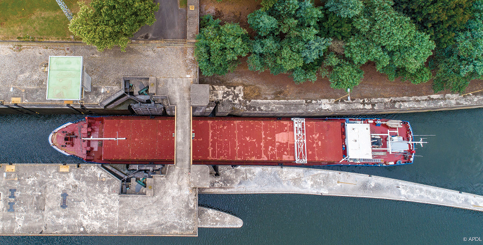
The Douro is a vital yet underused transport artery. Upgrading locks, fairways and multimodal links is key to unlocking sustainable freight and tourism in the Iberian hinterland.
