
 info@ebu-uenf.org
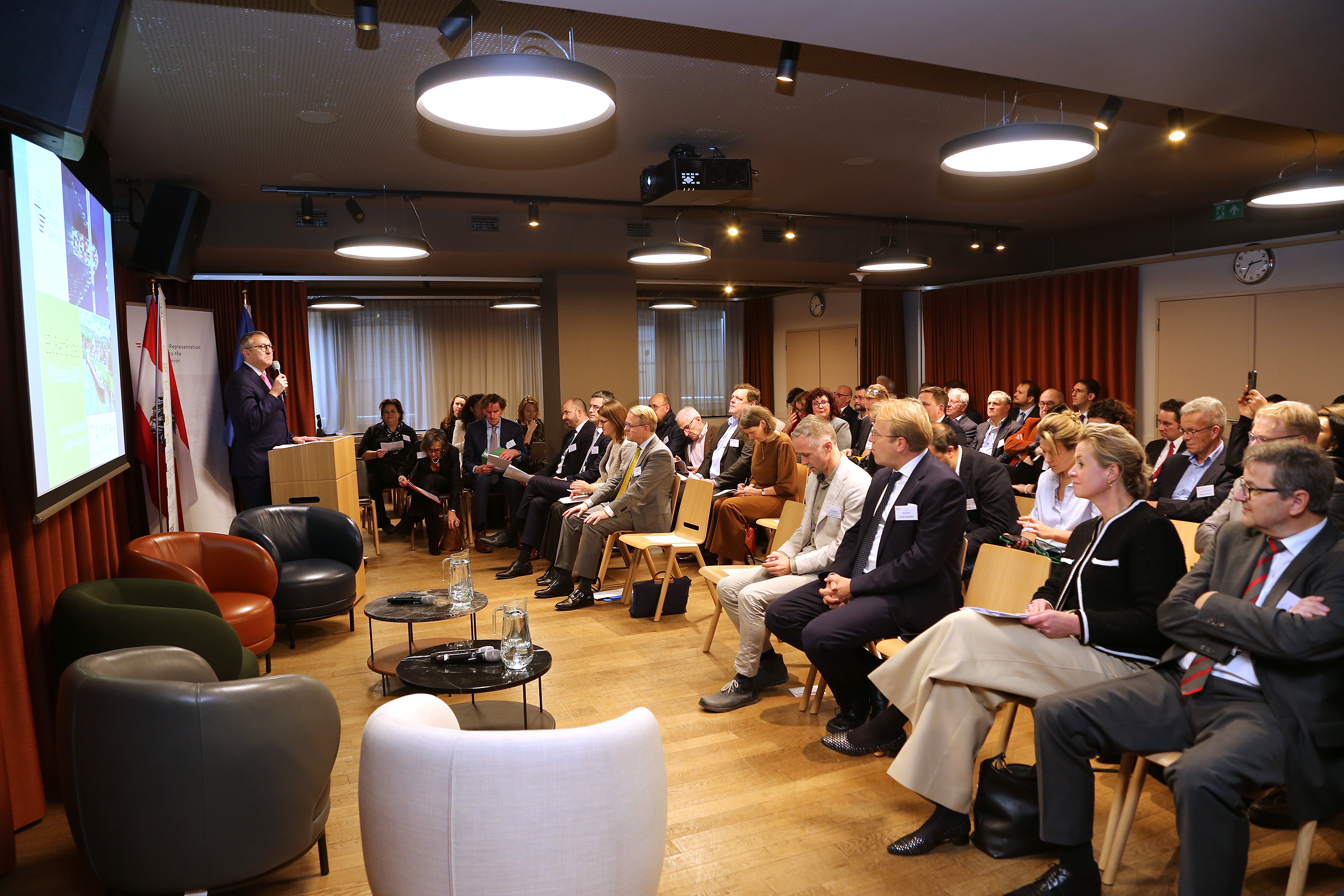
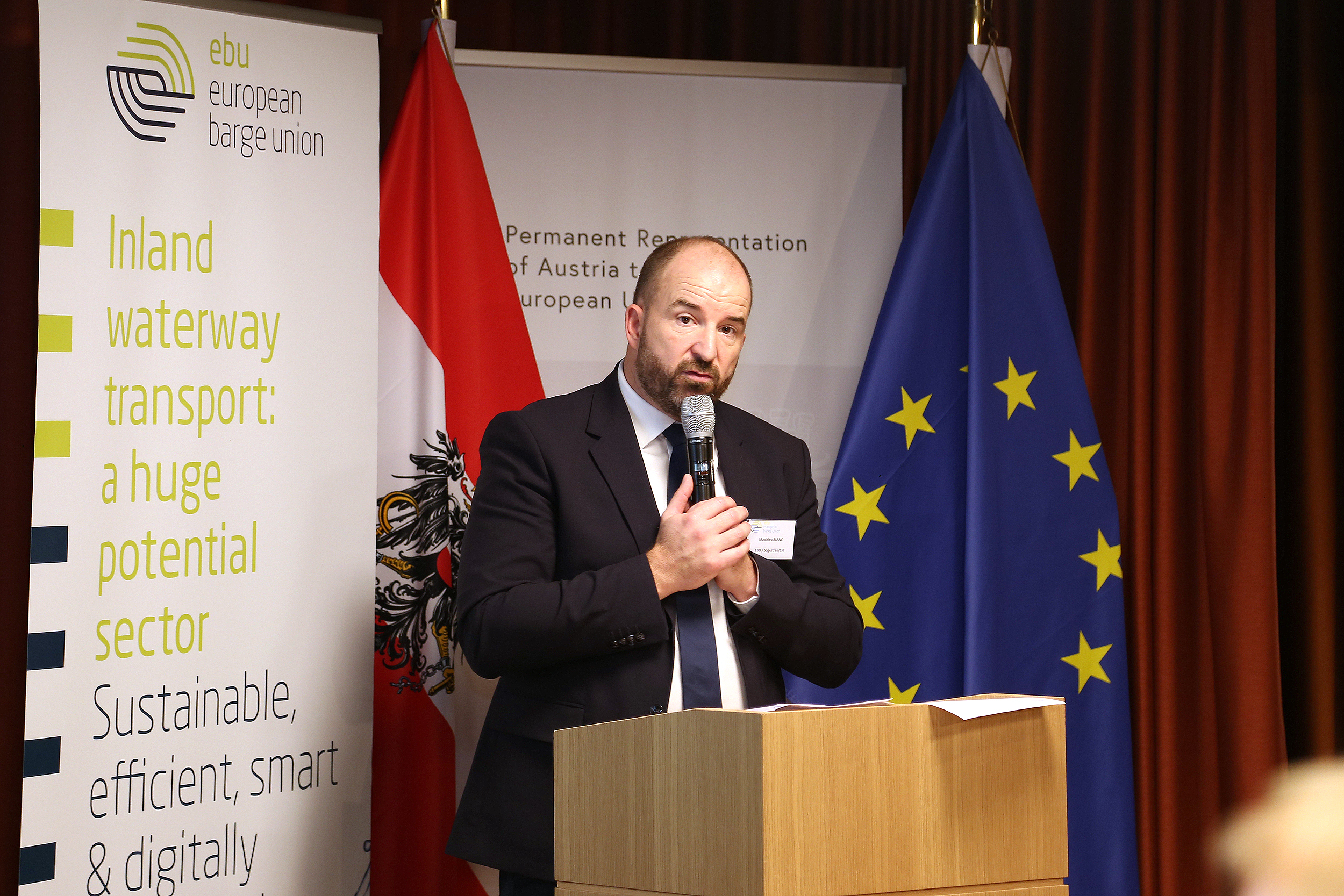
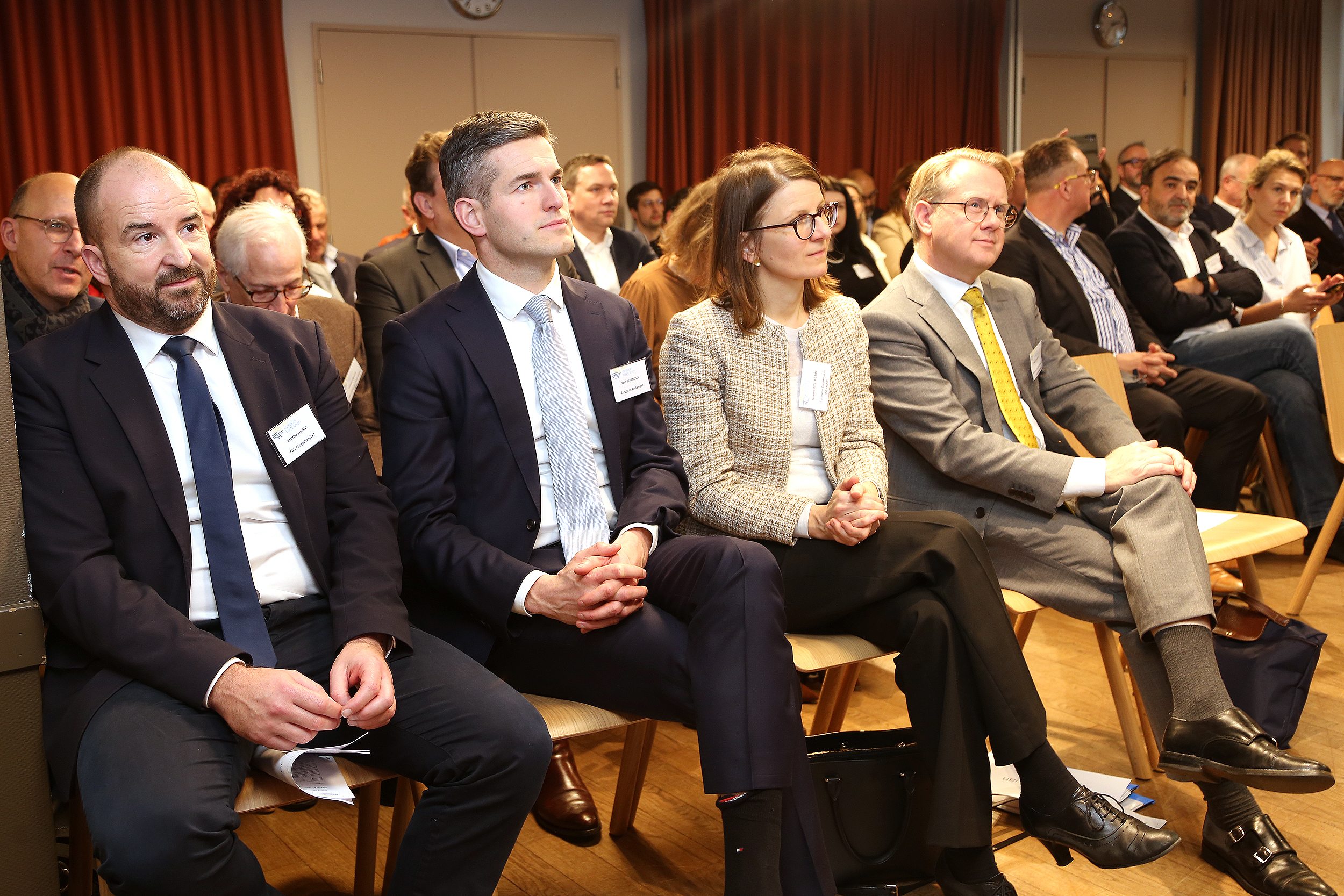
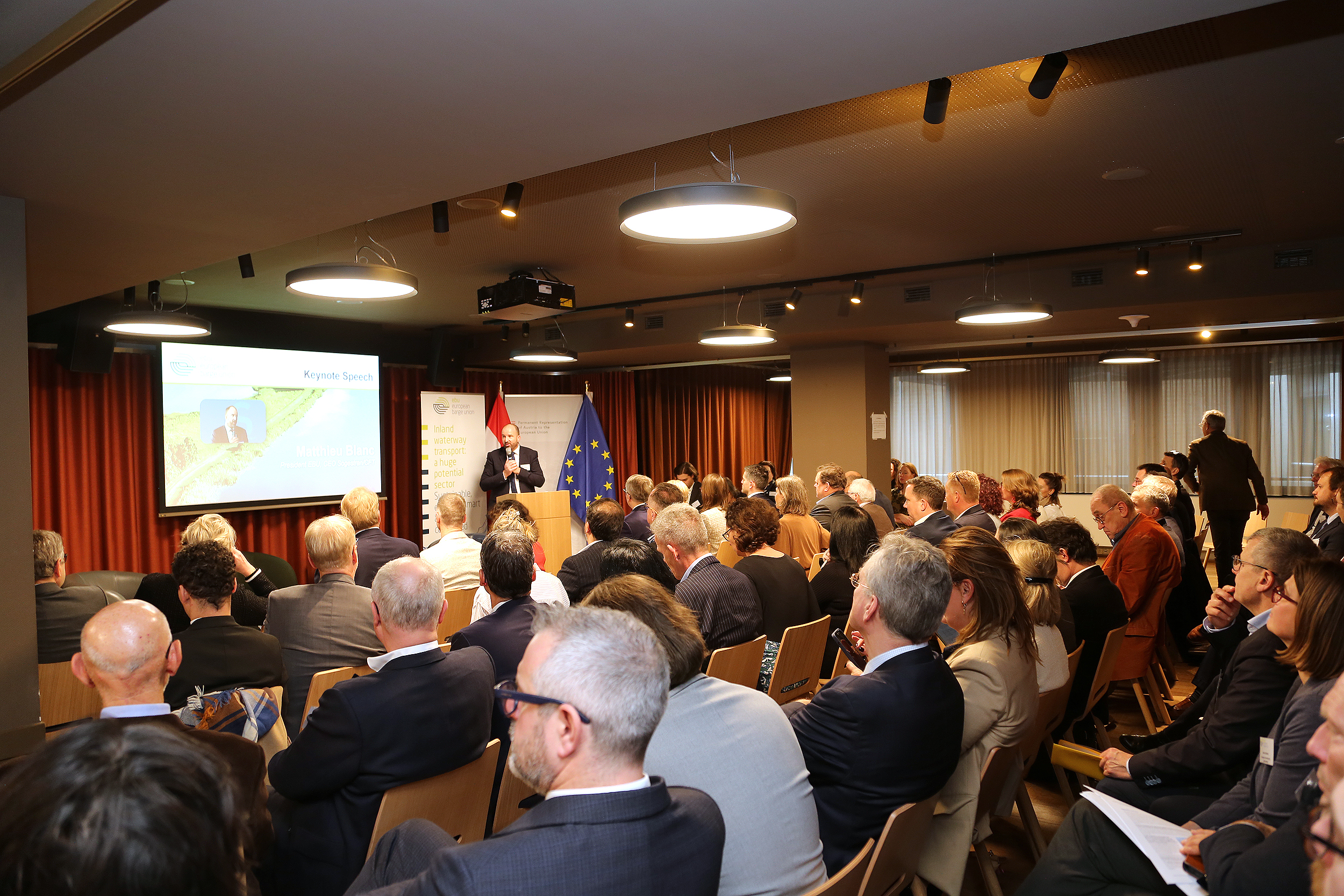
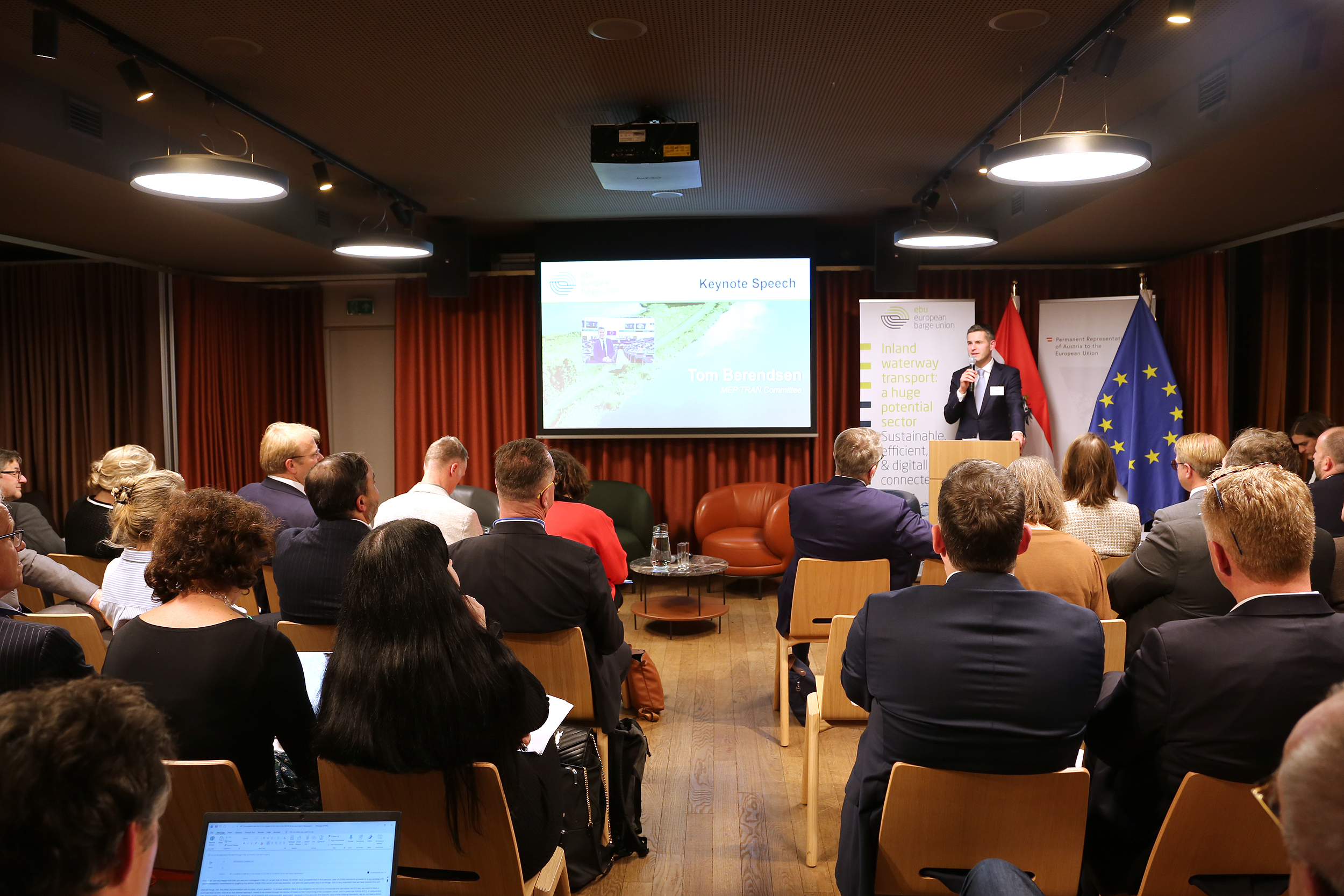
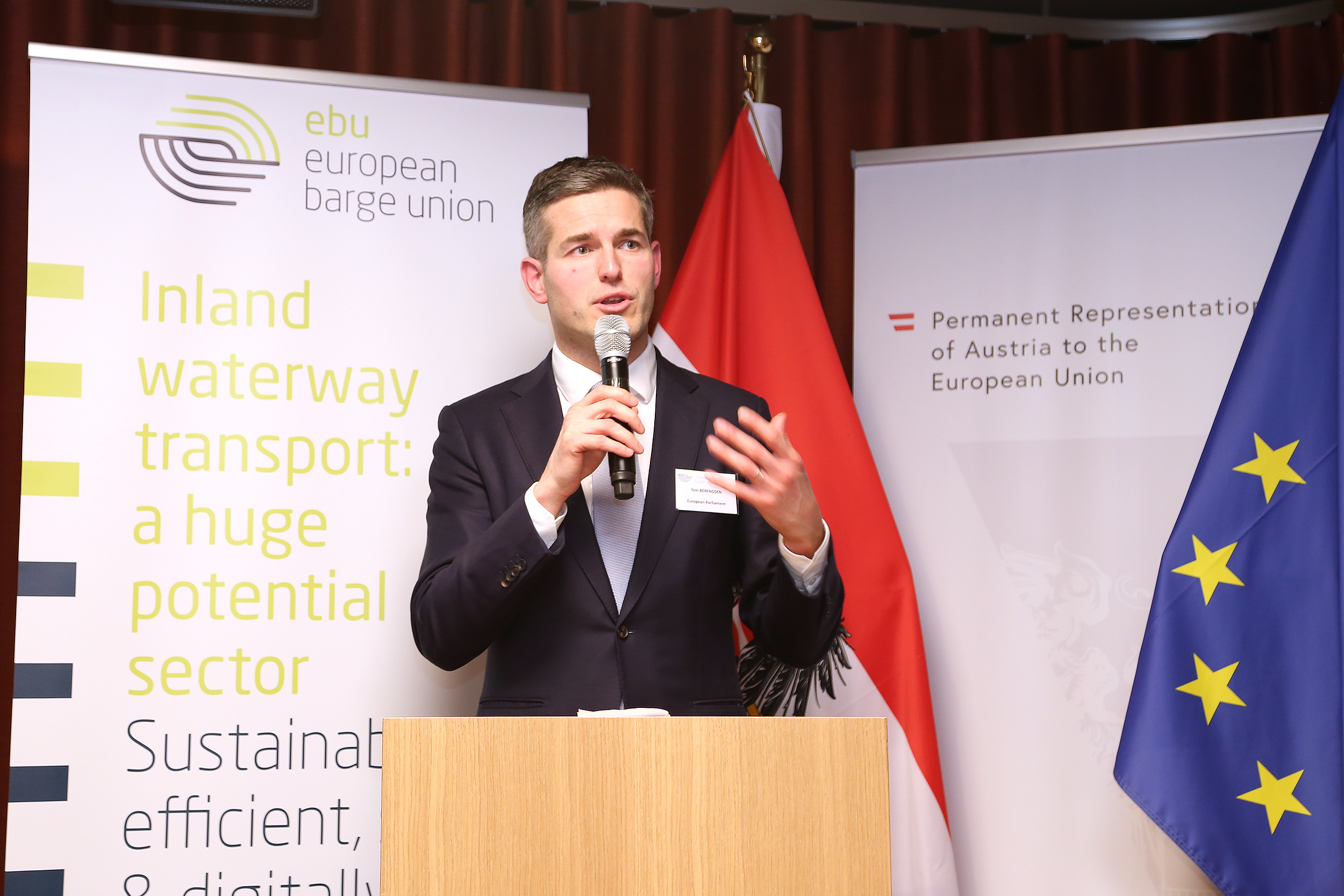

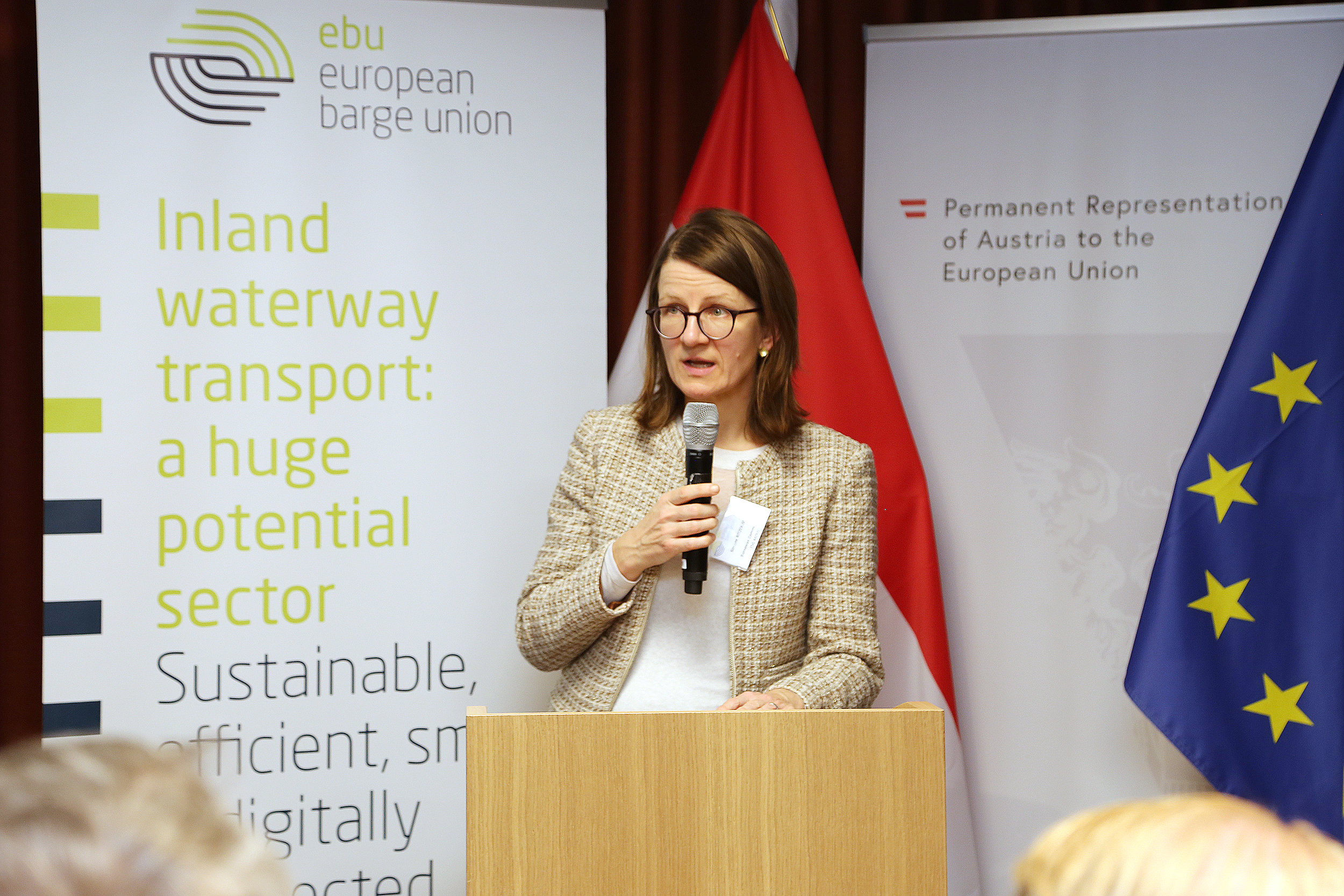
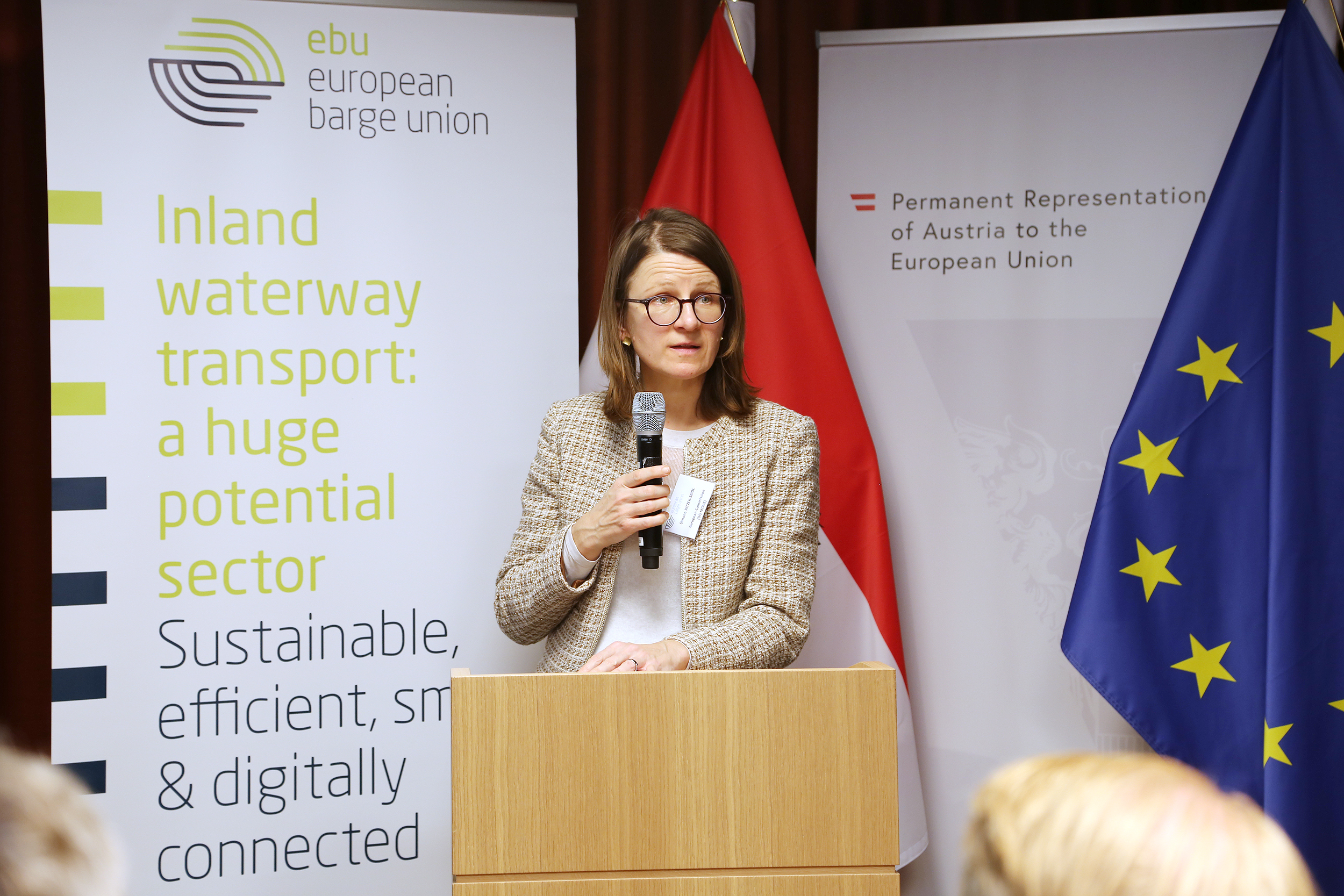
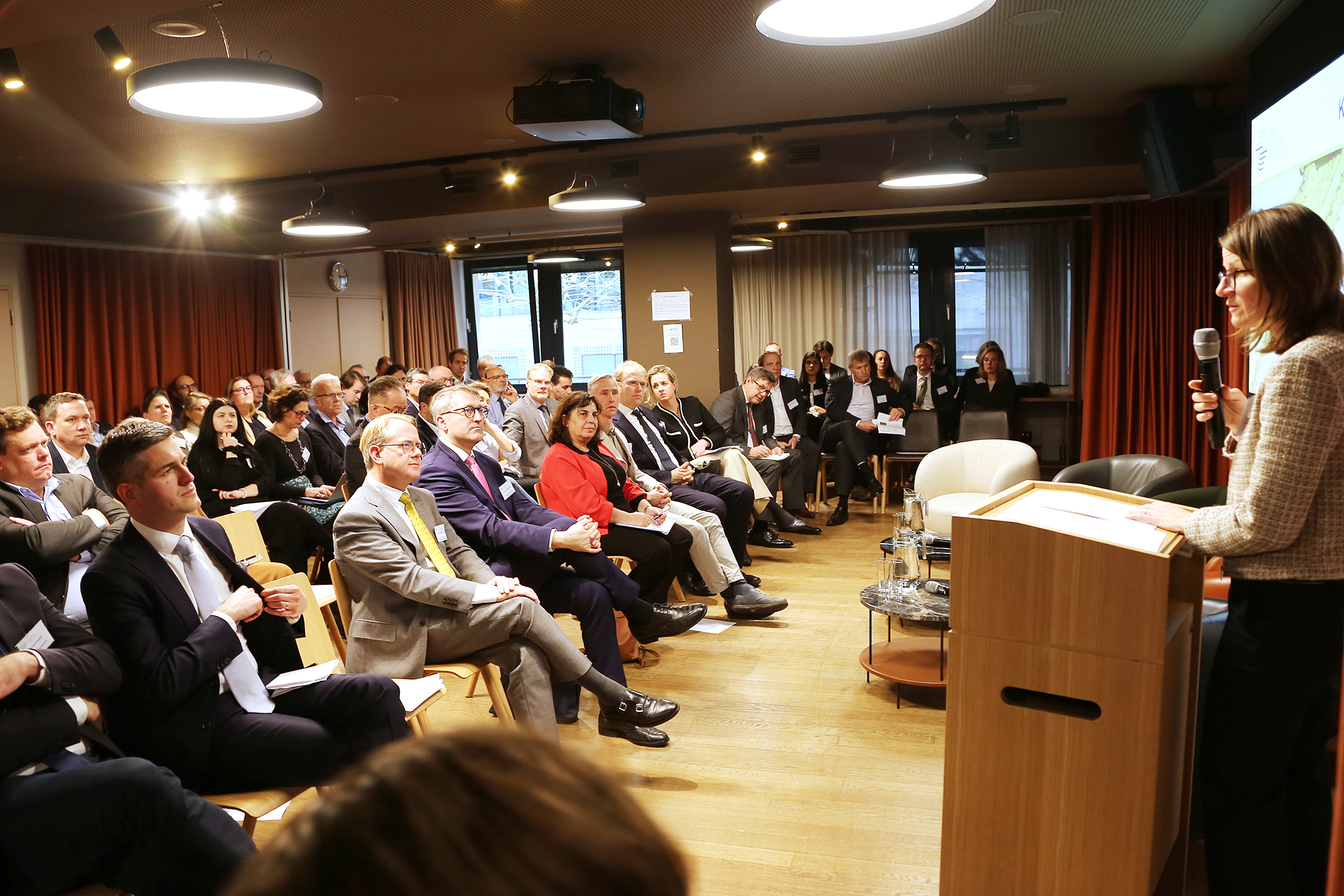

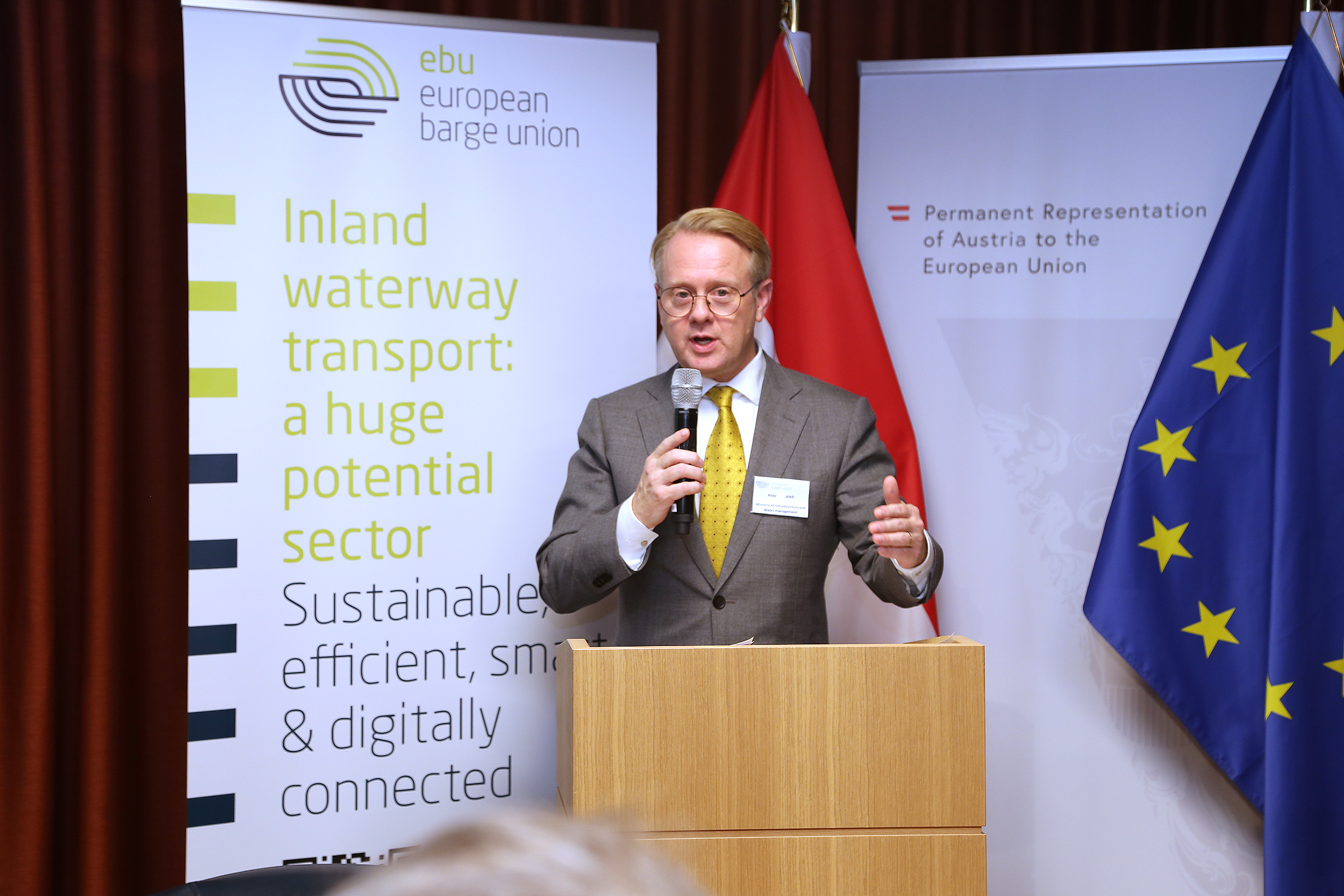
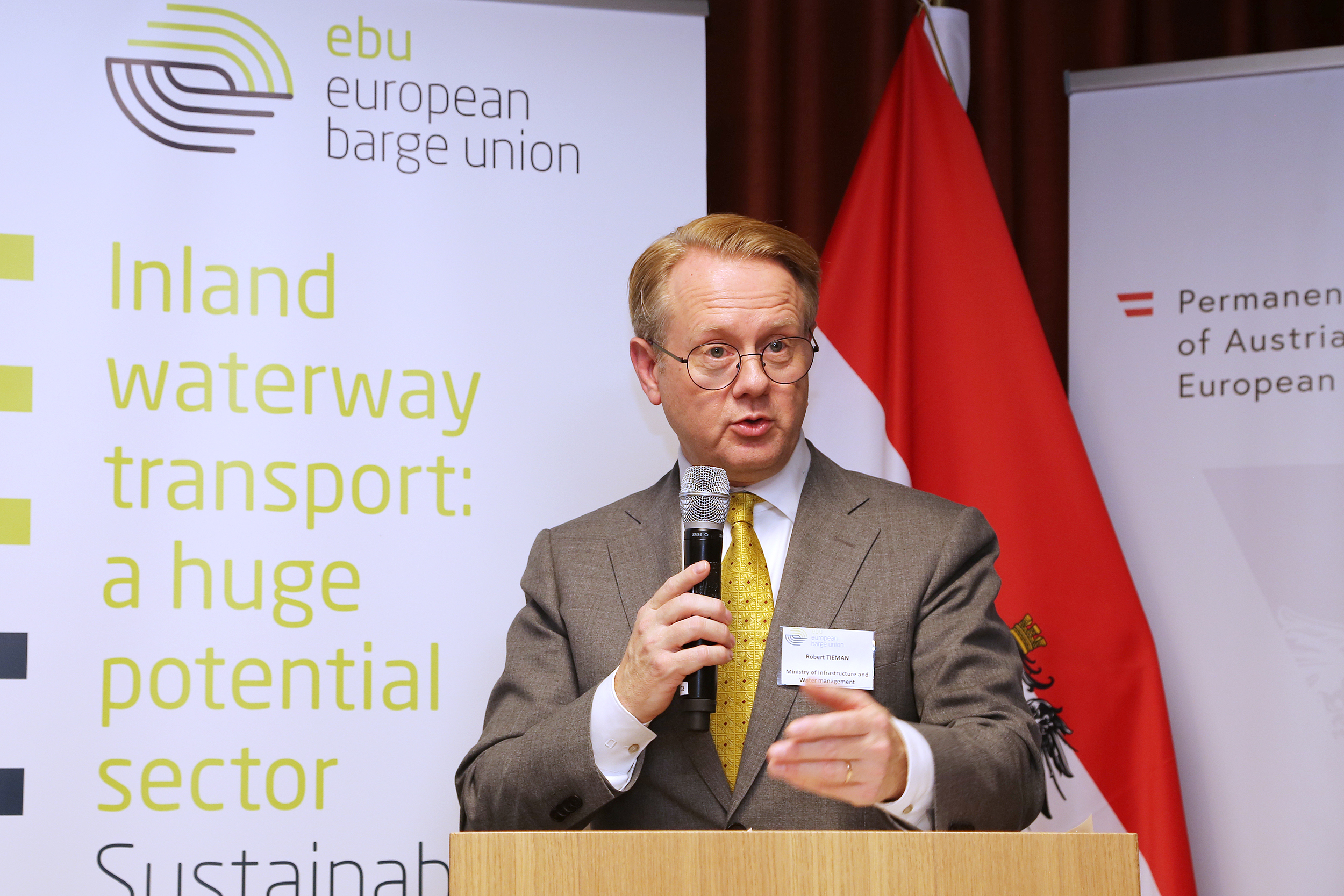
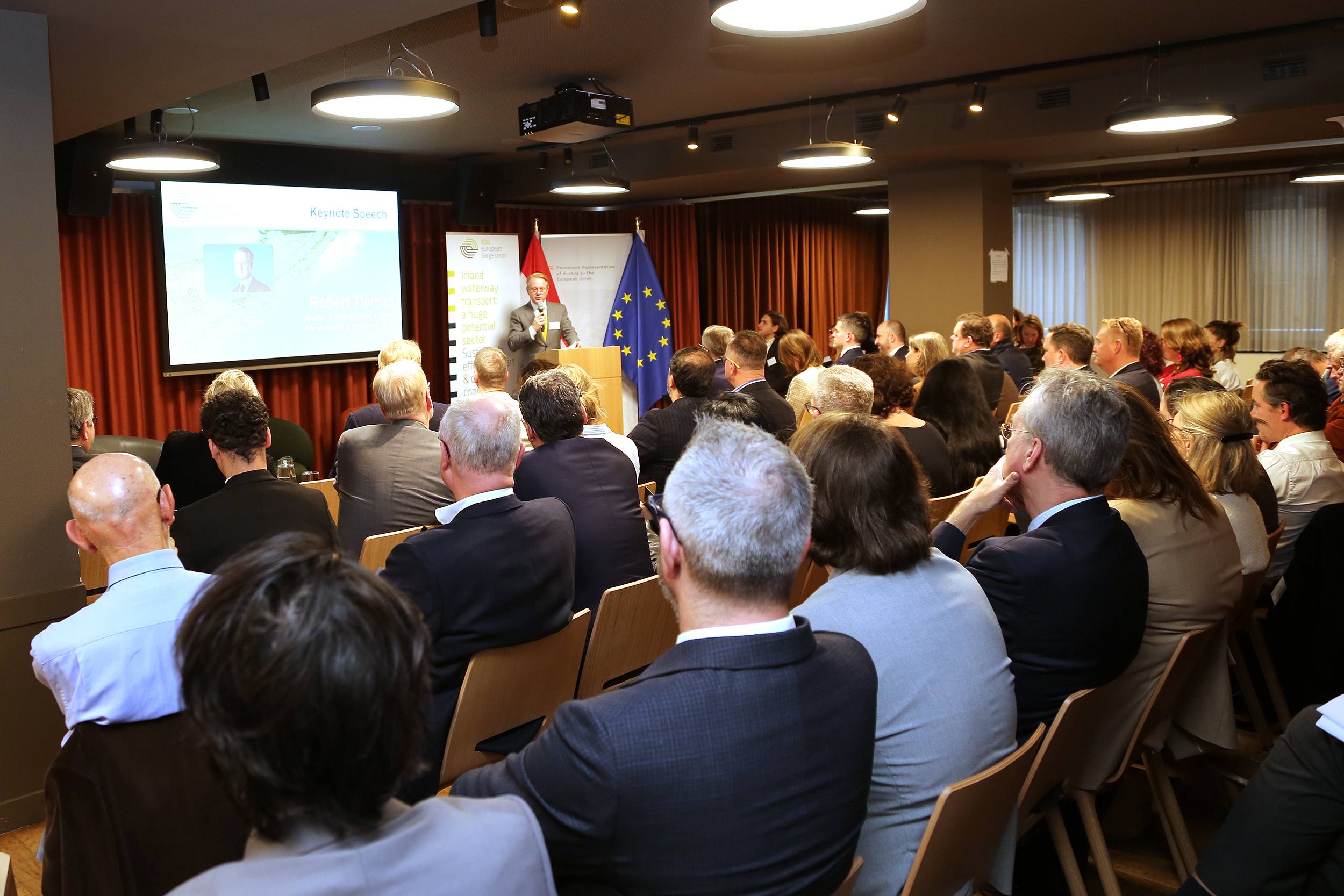
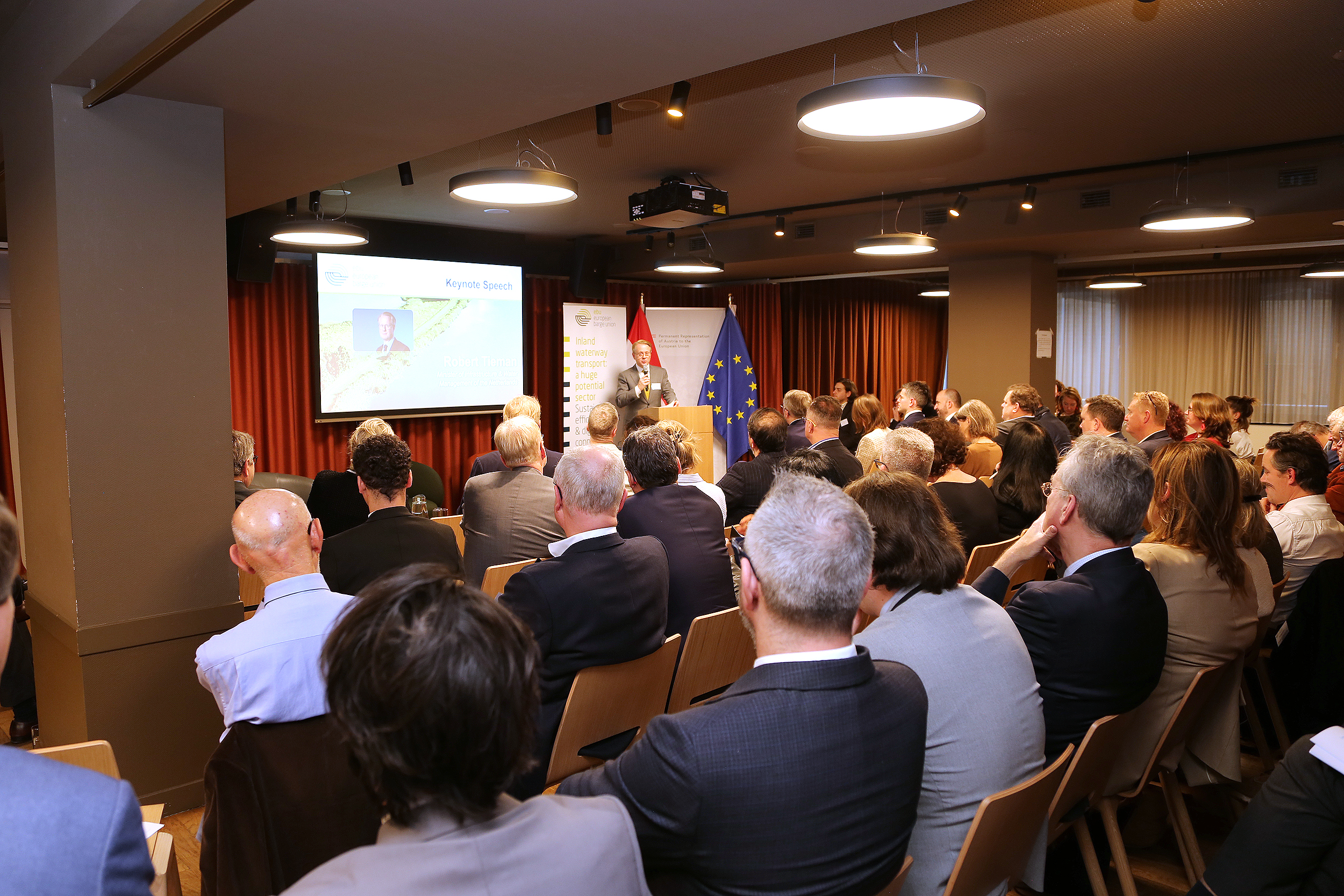

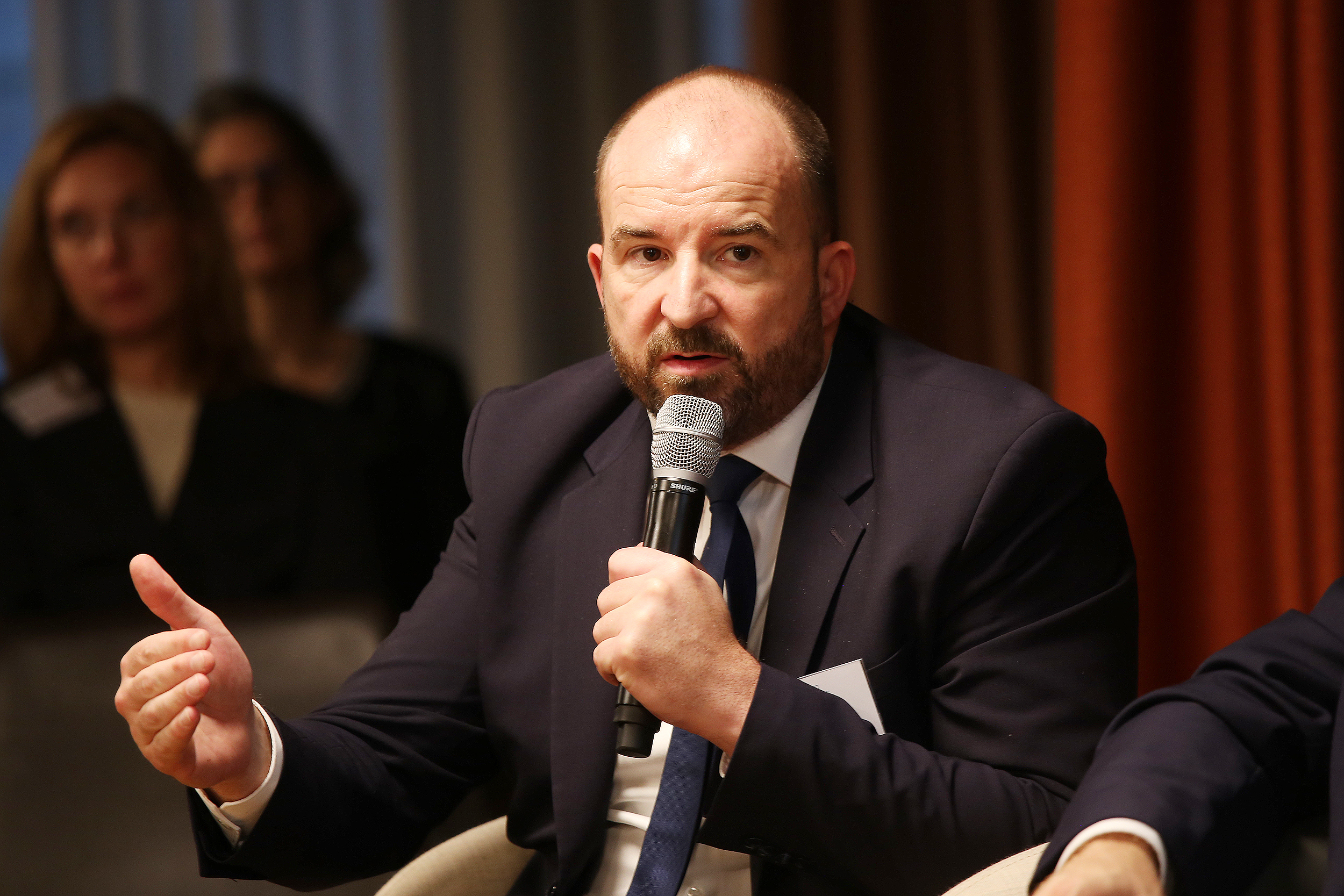
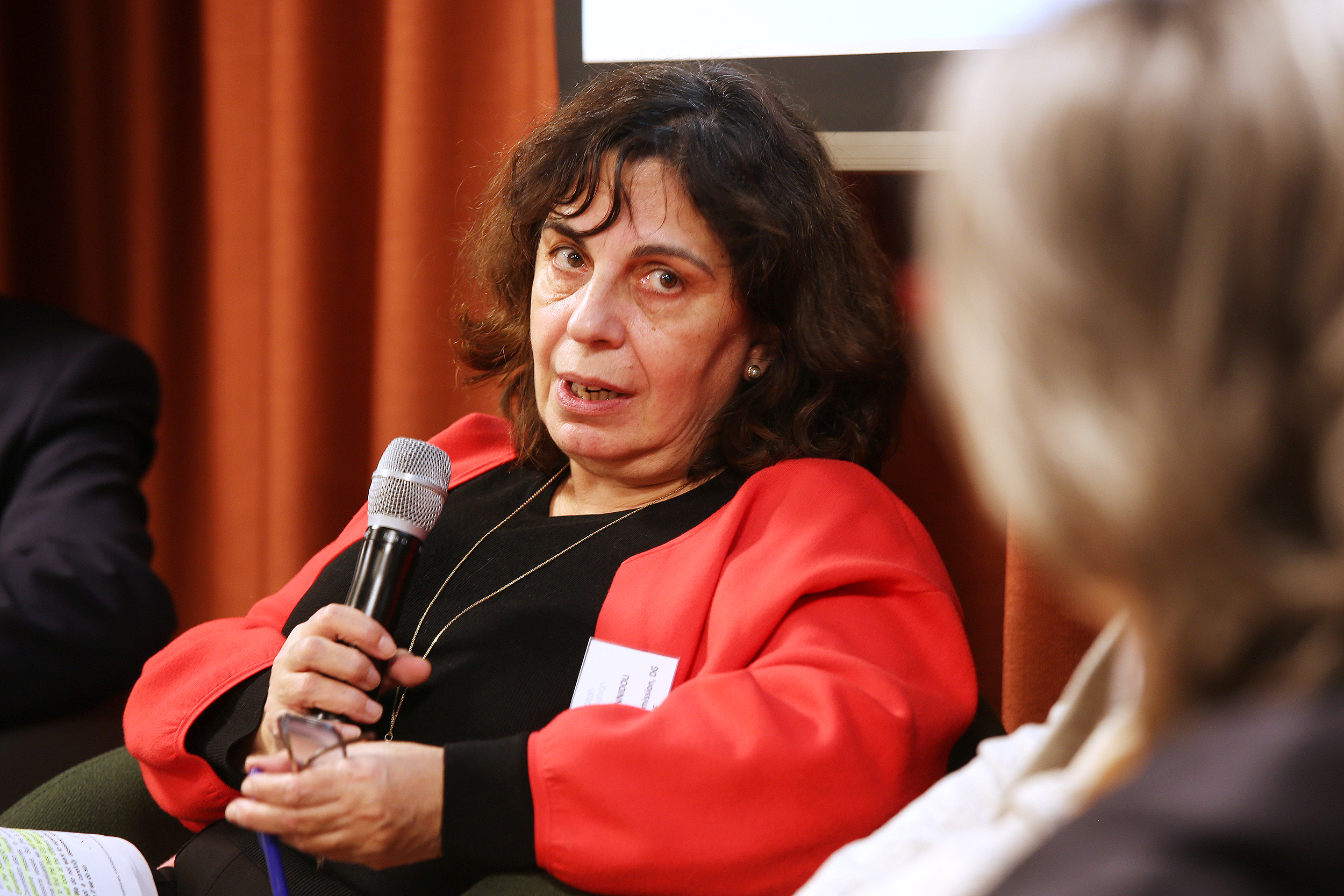
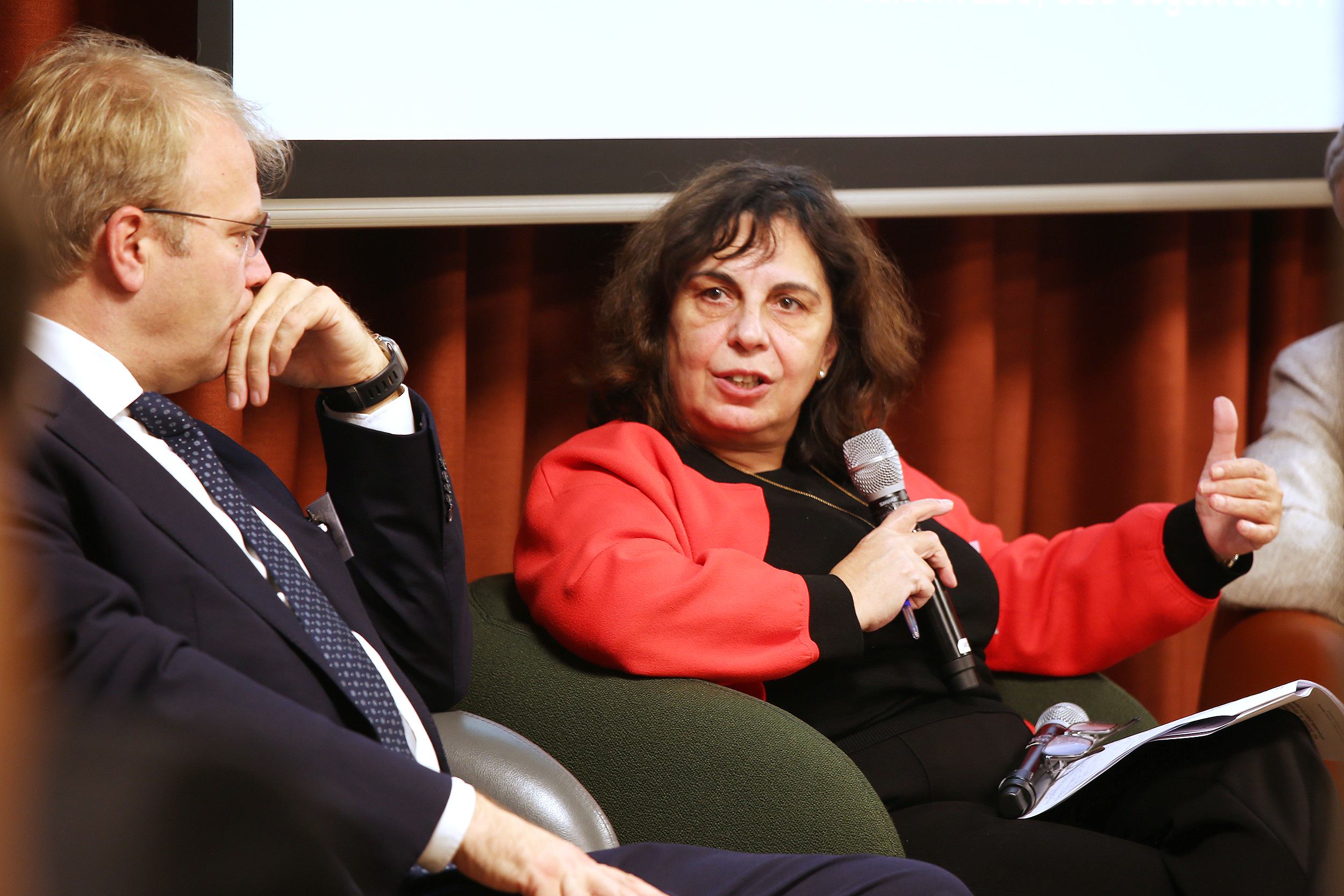

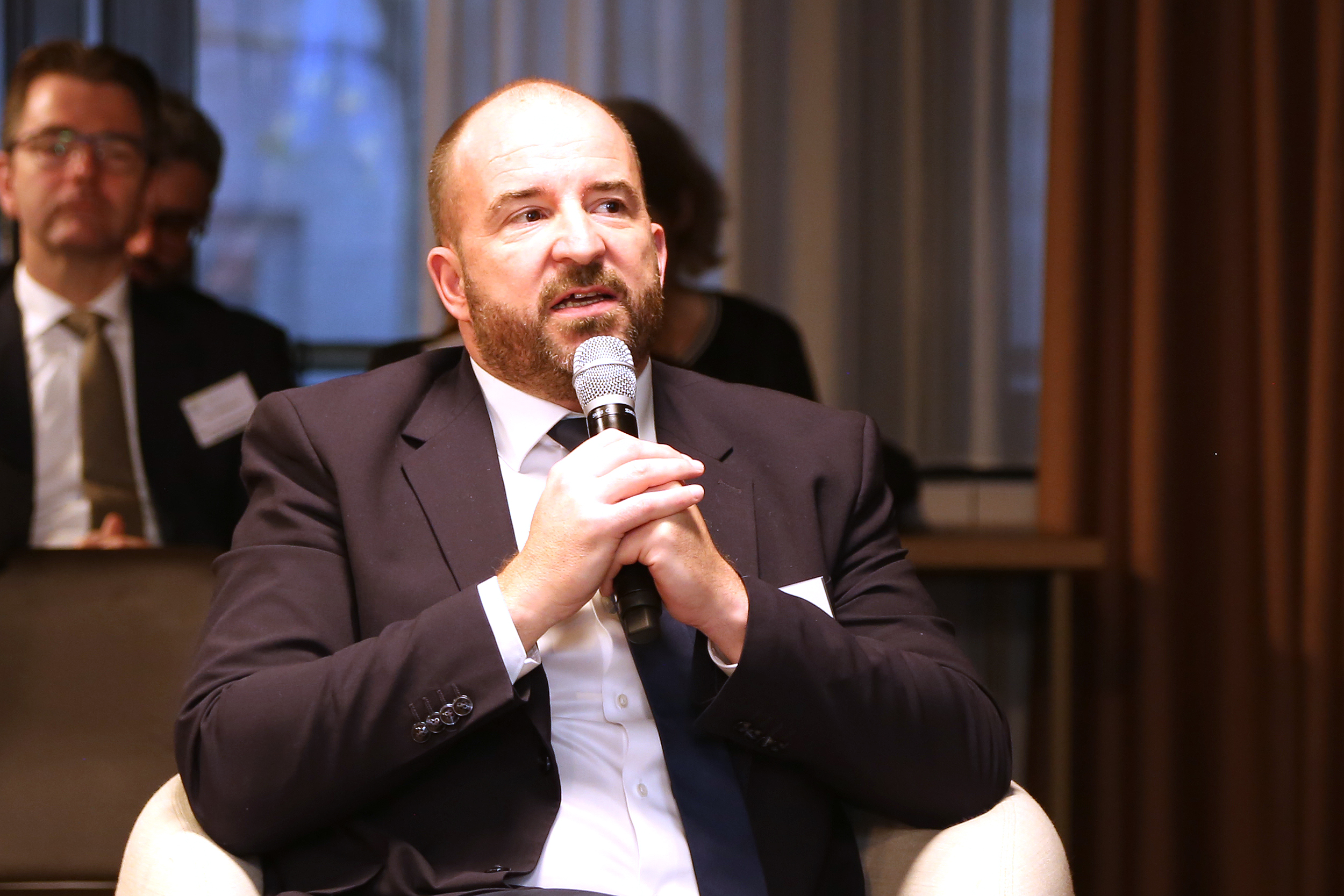
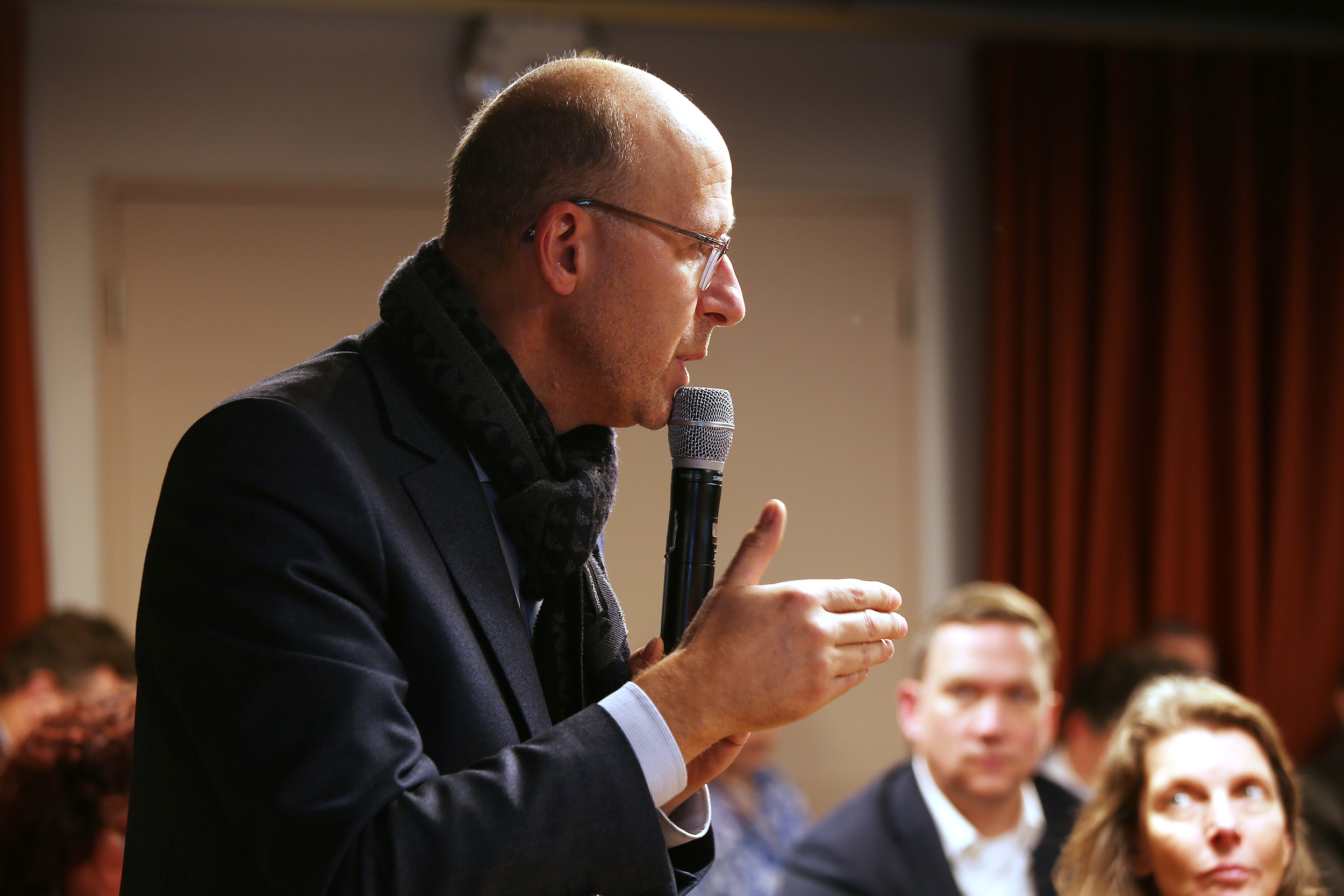
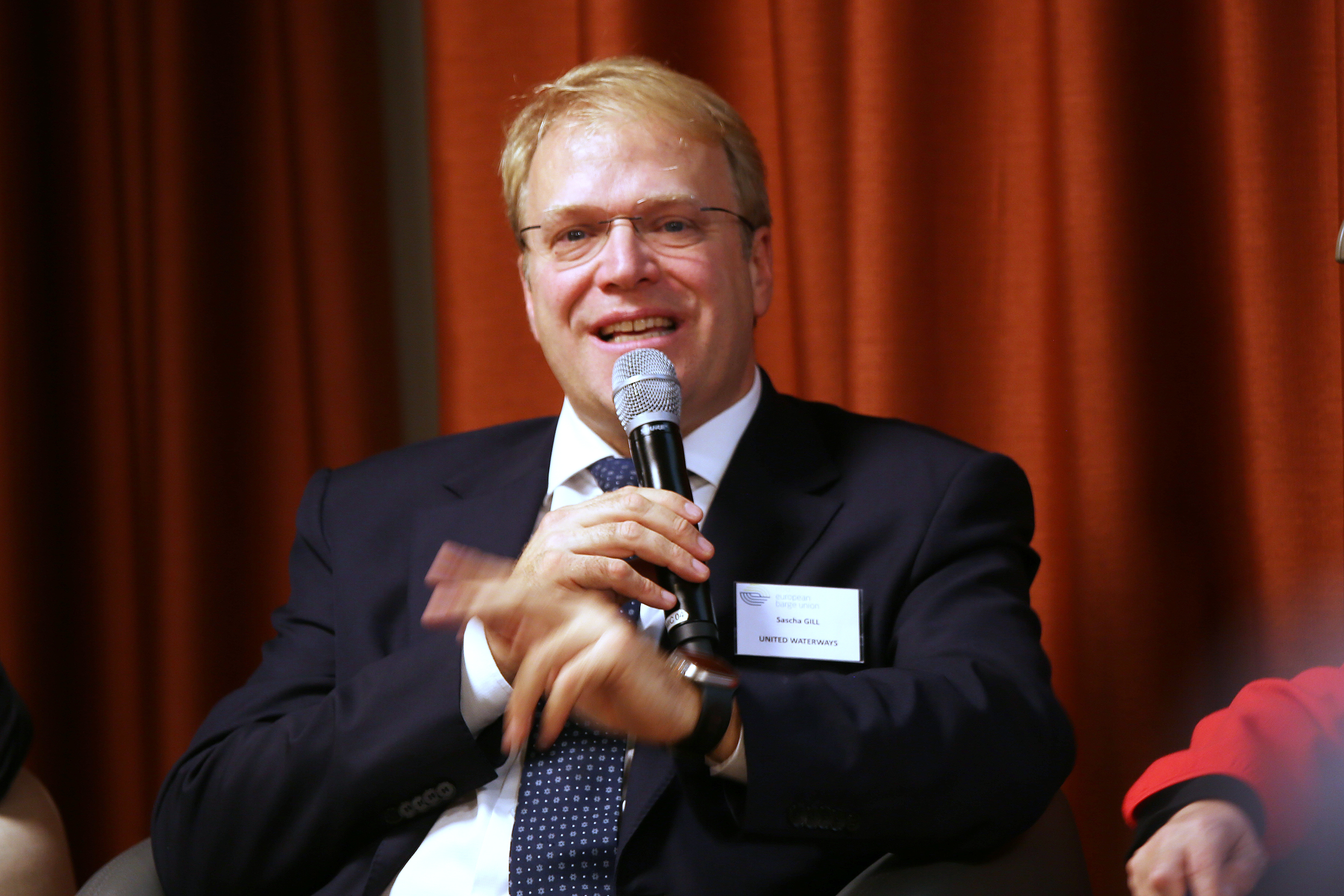
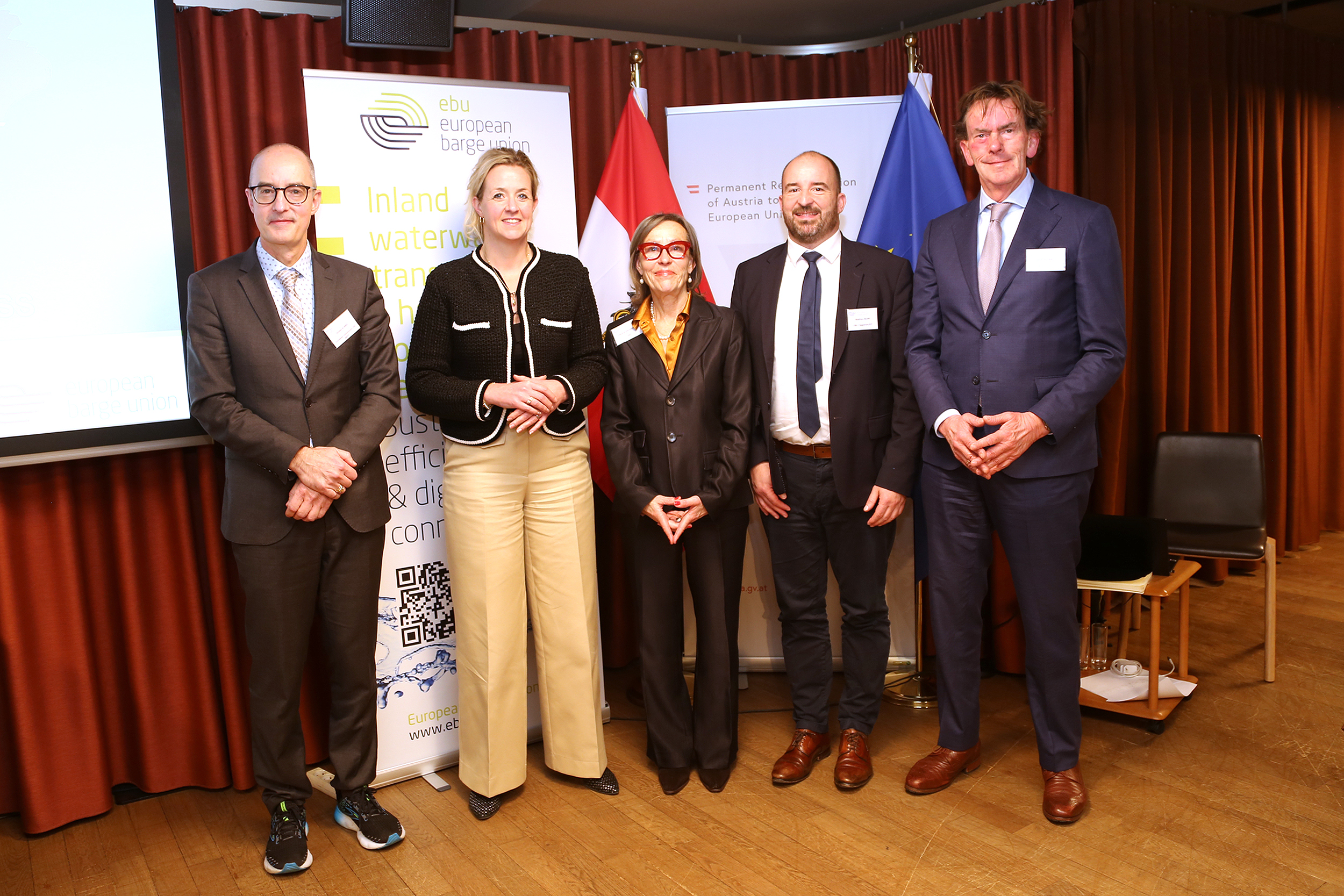
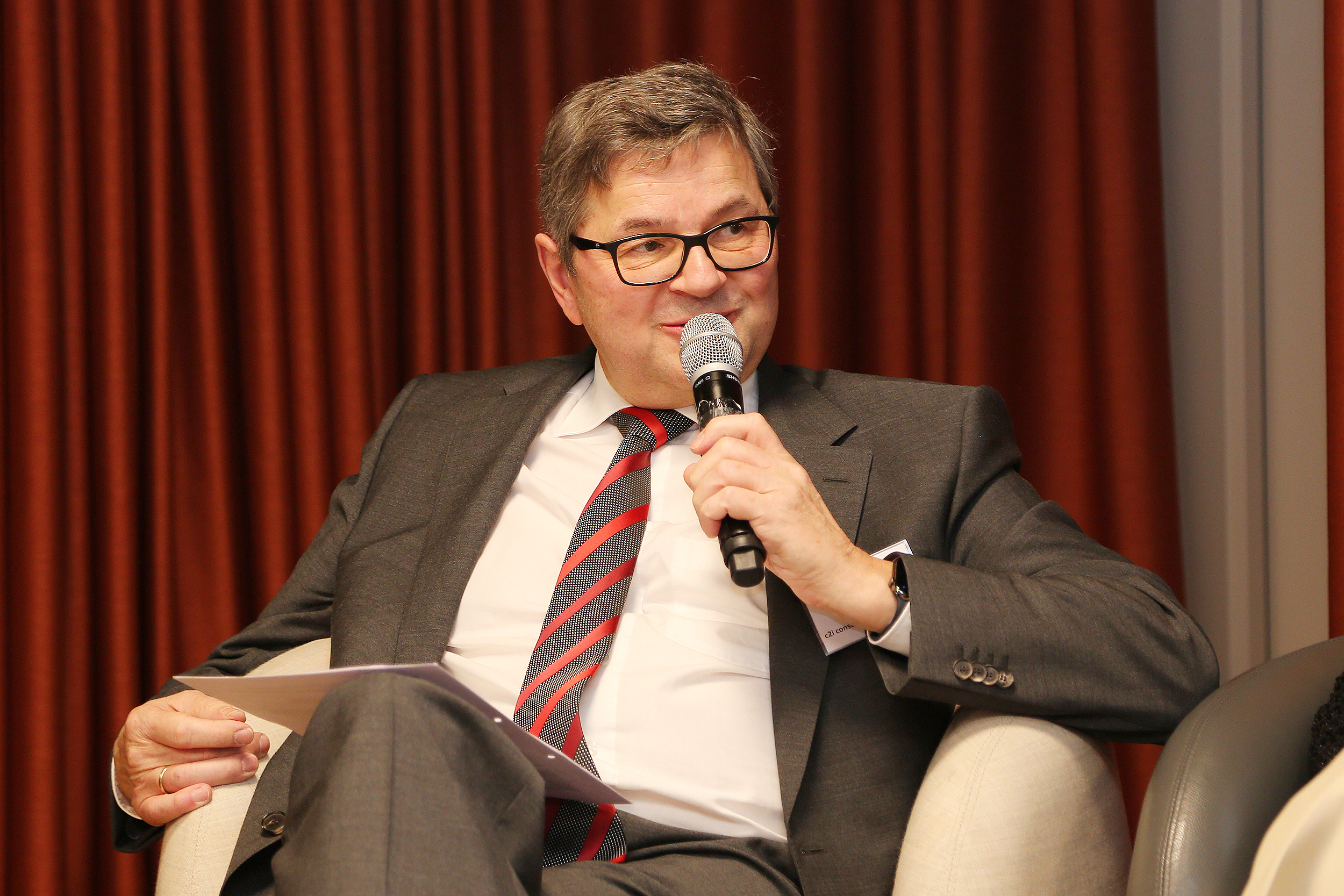
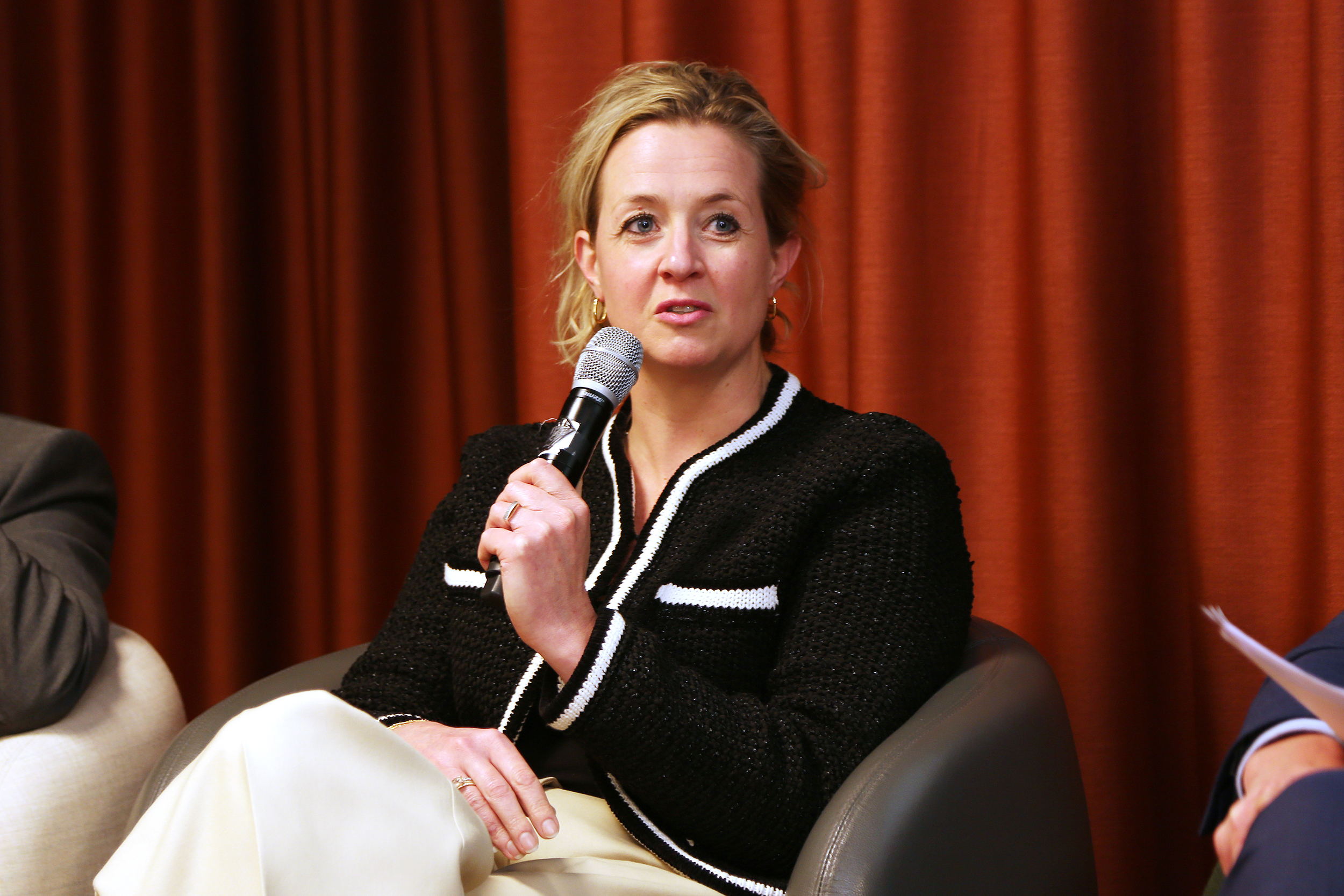
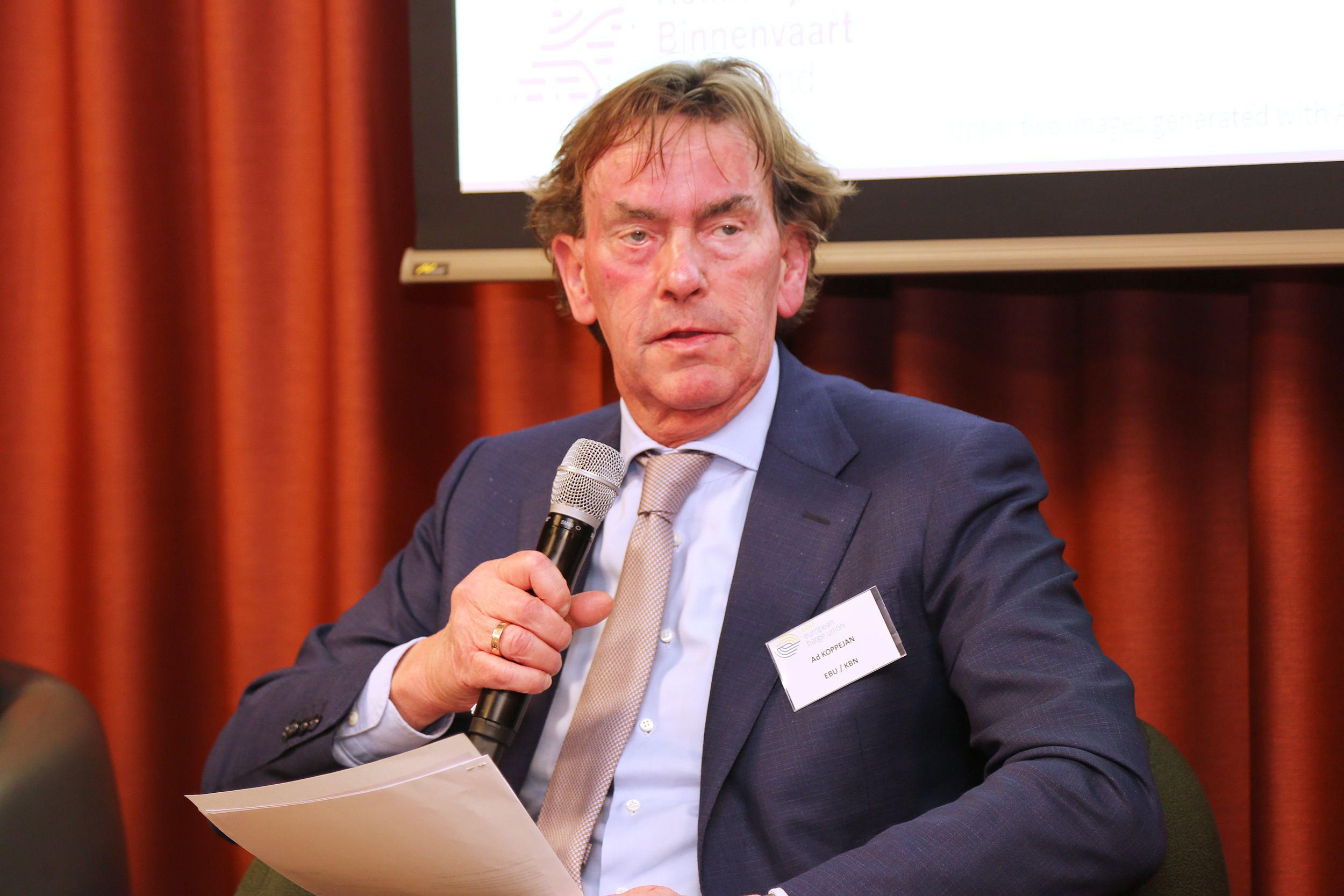
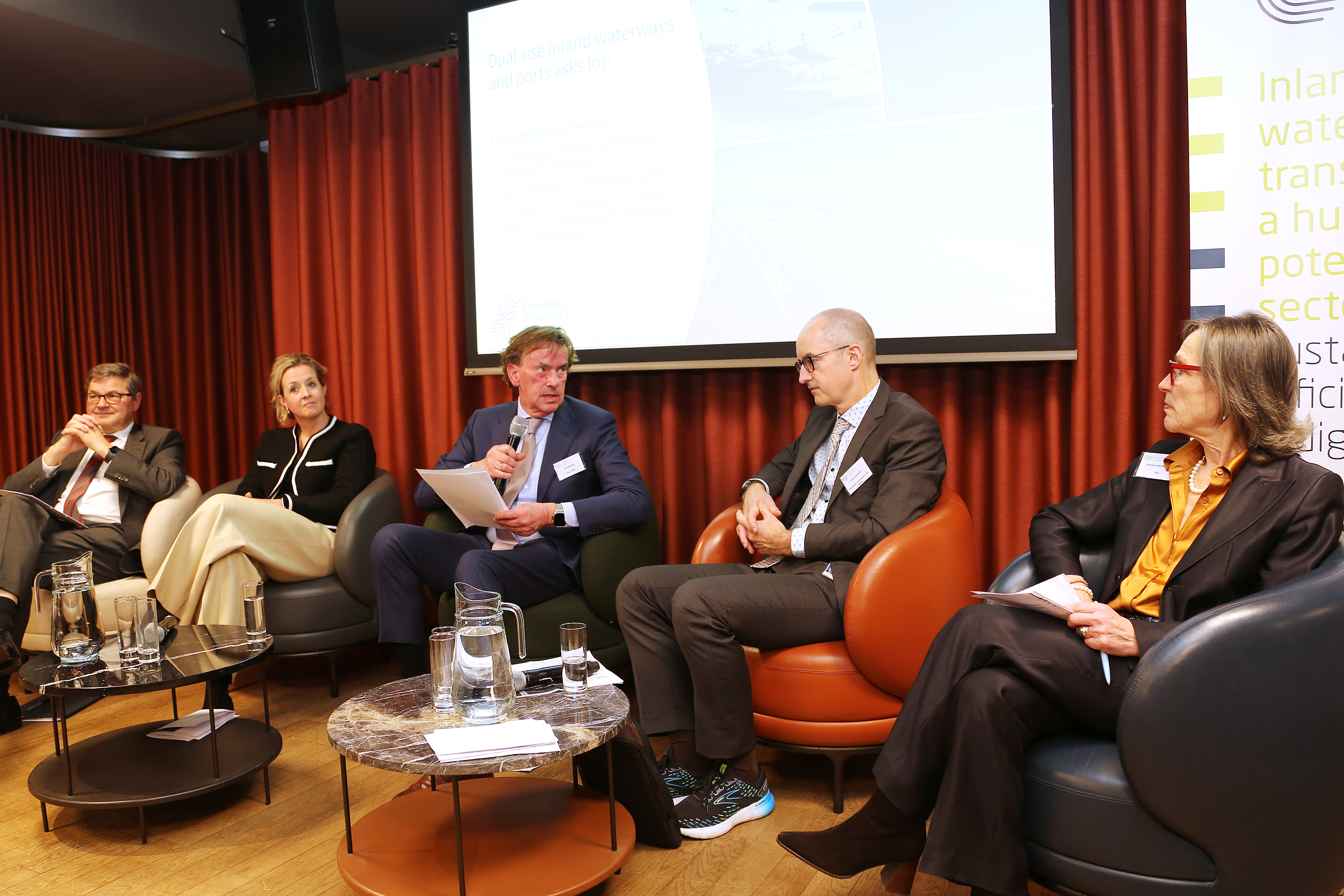


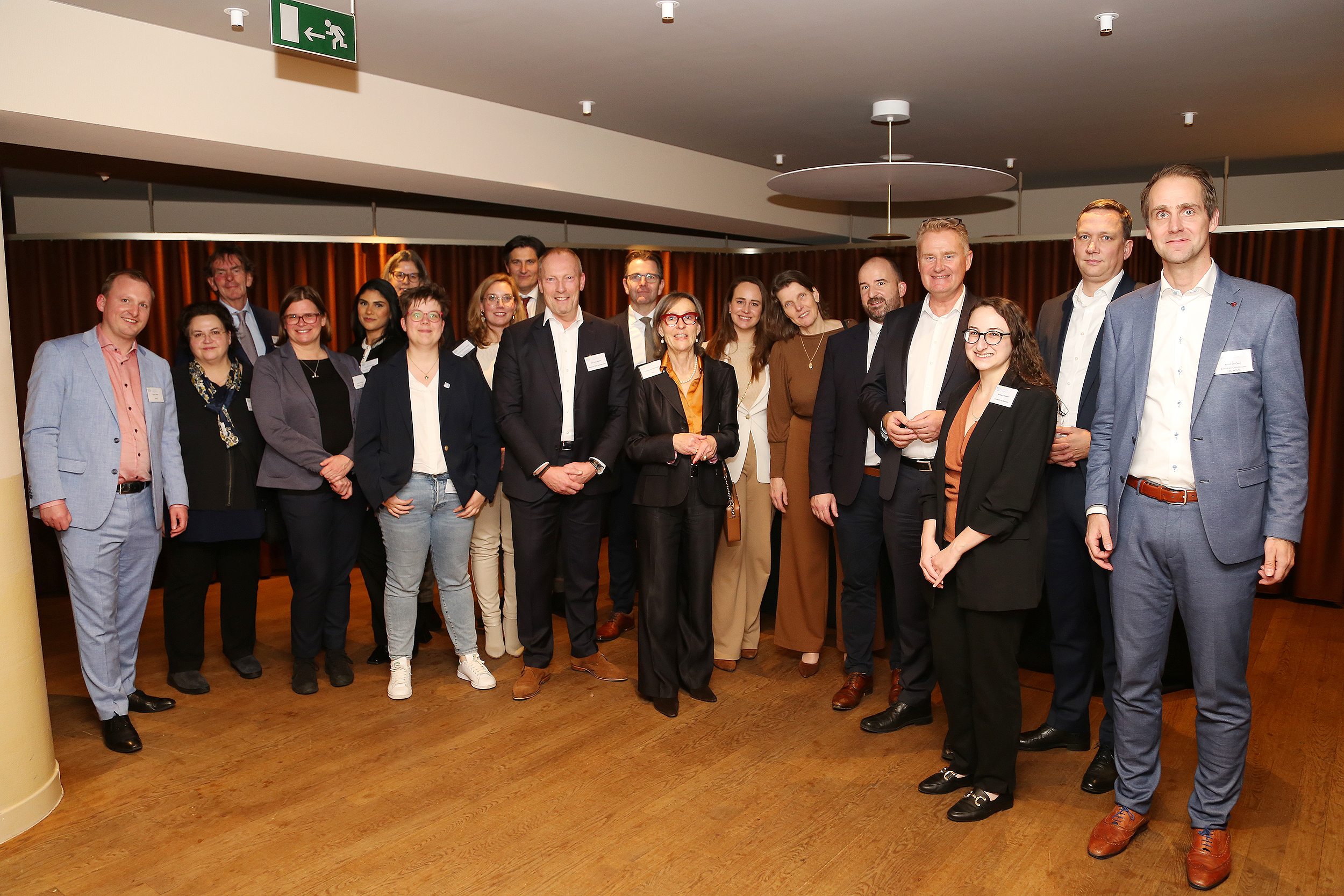
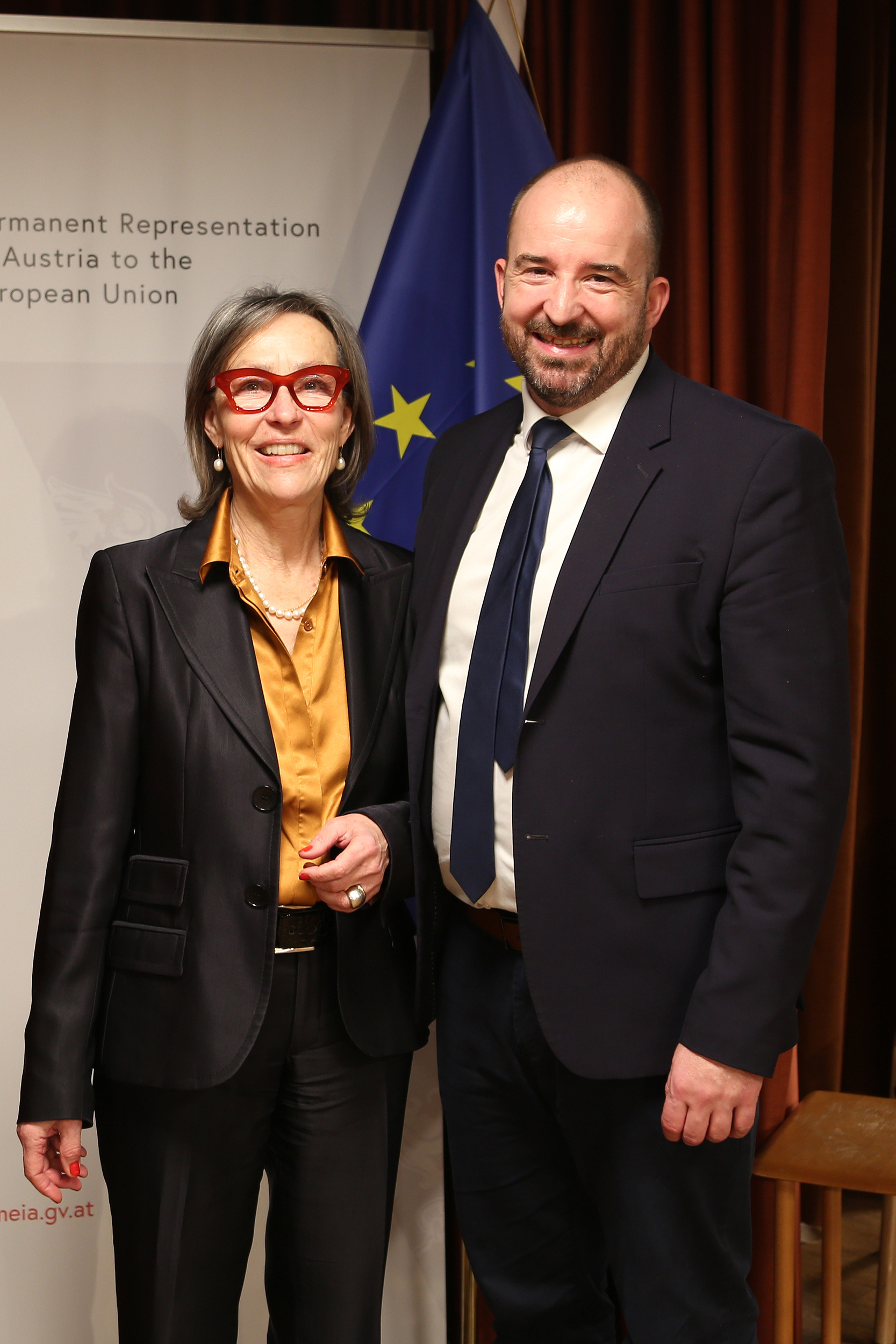
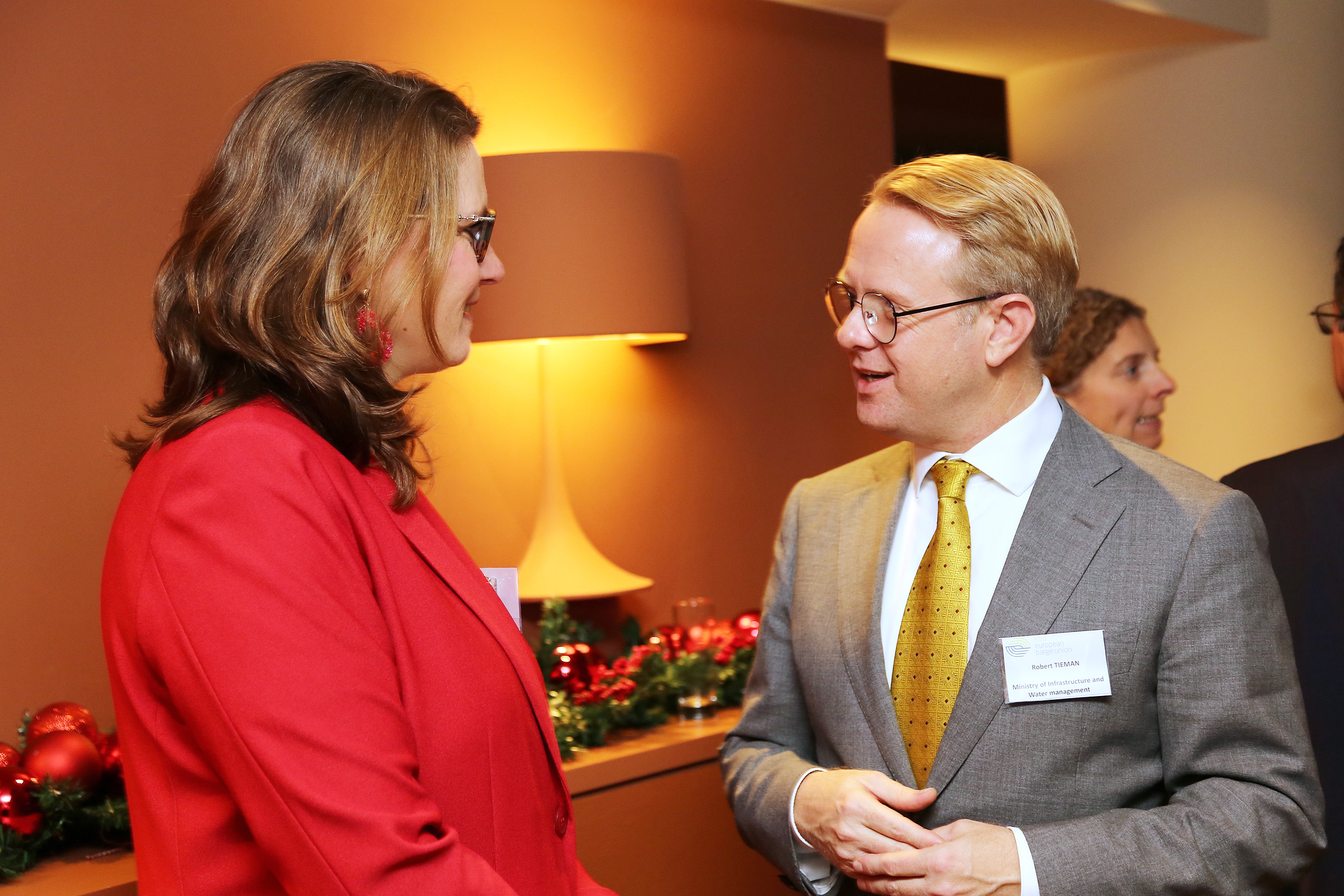
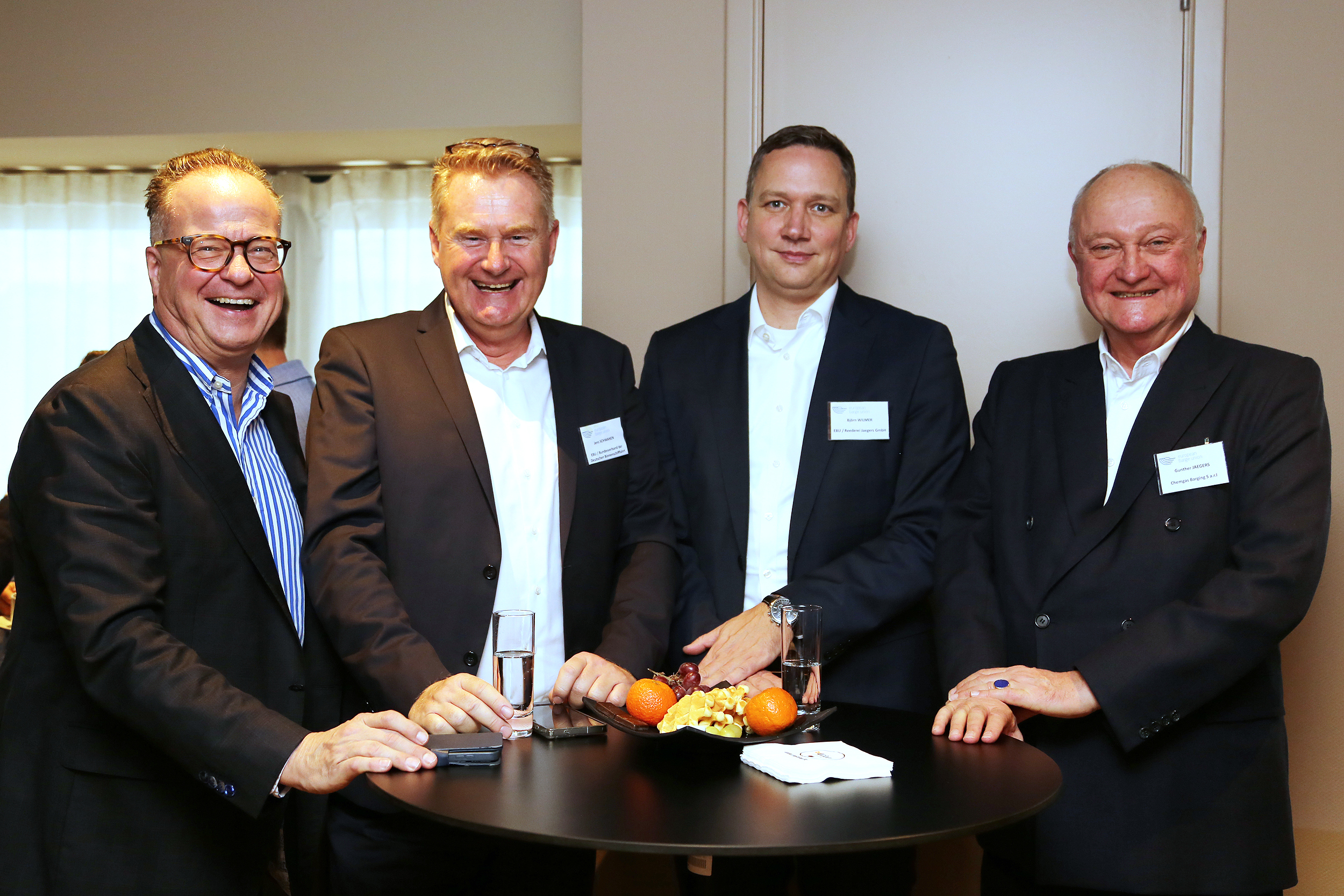

The Waterborne TP developed a Strategic Research and Innovation Agenda (SRIA) based on the final draft Proposal, as submitted to the European Commission in May. The SRIA lays down the vision and objectives, the research & innovation strategy, the expected impact as well as the governance of the Partnership. During summer, interested stakeholders were given the opportunity to provide input to the content of the SRIA, by means of an open consultation. 110 stakeholders participated in the open consultation, and the results, including the changes to the SRIA compared to the version of July, will be published soon.
The Partnership will kick-off beginning of 2021, however the exact timing is depending on the finalization of the MFF negotiations.
In addition, the identification of topics for 2021 and 2022 in the framework of Horizon Europe has been finalized, and these proposed topics will soon be discussed between the European Commission and Member States.
A major outstanding issue is the budget for Horizon Europe, and thereby the budget for waterborne related research and innovation. It is thereby essential, that we all convince our national administrations that the budget for Horizon Europe should be a priority and essential for developing solutions to realize zero-emission waterborne transport to the benefit of future generations.
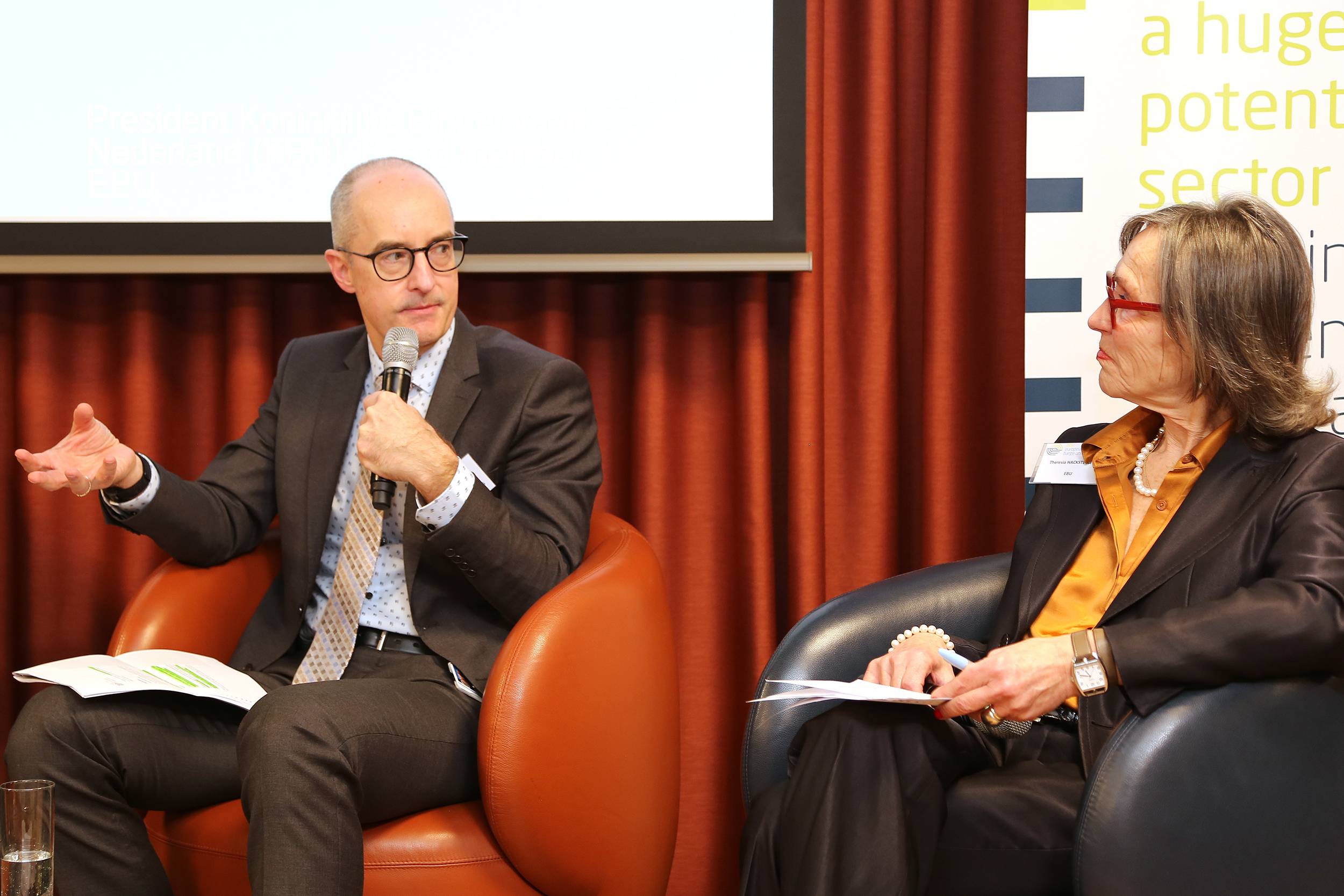
Workshop NRMM Regulation EU 2016/1628
1.12.2016 Dordrecht
Speakers:
The Commission is preparing a mid-term review of the Multi-Annual Financial Framework (MFF) or the EU budget 2014-2020.
The Connecting Europe Facility which co-finances many transport infrastructure and innovation projects was been reduced from €33.2 to €30.4 billion last year further to the set-up of the European Fund for Strategic Investments (EFSI or Juncker Plan). The impact on transport was particularly hard: the loss amounted to €2.2 billion of potential grants or almost the equivalent of the co-financing budget necessary to resolve all critical sections in the EU waterway network.
Together with 28 transport associations, the inland navigation organisations EBU, ESO and INE urge the European Parliament and the Council to increase the Connecting Europe Facility (CEF)
budget in the upcoming review of the Multi-Annual Financial Framework. The transport sector is not just asking for money. We are all asking for a strong multiplier for the EU backbone for trade and mobility that will create on its own 10 million additional jobs by 2030. We want to be able to exploit at the fullest the synergies between transport, energy and digitalisation to keep our continent at the forefront in the 21th century.
We ask the EU to fully apprehend that investment in transport is a pro-growth policy indispensable for our welfare and wellbeing. Many projects facing important financial gaps are not bankable and don’t attract private investors but provide strong societal return on investment which are crucial to help to achieve the EU energy and climate goals. We must invest to make transport better, greener, cleaner and connect it in an increasingly competitive and digital world.
The European Court of Auditors examined last year whether infrastructure projects co-funded by the EU contributed effectively to increase the modal share of inland waterway transport and helped in improving navigability conditions. The Court concluded that since shifting freight traffic from roads to the network of rivers and canals is beneficial to all EU, a connected Europe with a sustainable transport strategy requires greater effort to improve its waterways.
The inland navigation organisations are realistic, we know that TEN-T investment needs are more than tenfold the available EU CEF transport budget of €24.05 billion. The Juncker Plan is an attempt to draw in new investment, but let’s not only look whether projects match EFSI but look pragmatically and objectively whether EFSI matches the projects. No waterway infrastructure project is yet leveraging investment under the Juncker Plan (EFSI). We have to look in all openness what blending mix of funding and financing makes projects possible and how we ensure critical waterway bottlenecks are finally lifted. Inland waterways is the fastest growing transport mode after road transport. Keeping bottlenecks in place risks to undermine this positive development. That would result in more traffic jams and a decrease of sustainability.
Background information on MFF: European Parliament